
Resources/Blog
Mastering Moisture: How Our Scientific Kiln-Drying Process Guarantees Flawless Natural Decor
The Invisible Threat to Your Global Supply Chain: Moisture Instability
Picture this: Your latest collection of premium natural home decor has finally arrived after weeks of ocean transit. The designs are exquisite, but upon opening the containers, you are met with a buyer's worst nightmare: warped frames, cracked weaves, or worse, traces of mold. For global buyers and interior designers, moisture instability is the silent killer of both product integrity and brand reputation.
When working with breathtaking natural materials like Acacia, Bamboo, Seagrass, Rattan, and Water Hyacinth, the journey from the lush landscapes of Vietnam to a modern living room in New York or London is fraught with climatic shifts. Fluctuating humidity levels can easily compromise untreated organic fibers. At Ngoc Dong Ha Nam, we know that world-class design means nothing without world-class durability. That is exactly why we do not leave moisture control to chance.
The Science of Kiln-Drying: Precision Meets Nature
Nature provides the raw beauty, but science ensures its longevity. Traditional sun-drying, while ecologically romantic, is unpredictable. To meet rigorous international standards, we employ a highly calibrated kiln-drying process that removes the guesswork from natural material preparation.
How Our Process Works
Thermal Calibration: Materials are placed in state-of-the-art kilns where temperature and airflow are meticulously controlled. This gradual heating prevents the outer layers from drying too quickly, a common cause of internal structural damage.
Deep Moisture Extraction: By maintaining a steady, scientifically calculated environment, we extract bound moisture from deep within the cellular structure of bamboo and rattan, rather than just surface dampness.
Continuous Monitoring: Utilizing advanced digital hygrometers, our quality assurance teams monitor the process around the clock, ensuring every batch meets our exacting specifications before it ever reaches the weaving floor.
This rigorous approach ensures that our materials maintain their structural integrity, paving the way for flawless craftsmanship that aligns with BSCI and SMETA standards for responsible, high-quality manufacturing.
The Golden Standard: Why 8-12% Moisture Content Matters
In the realm of premium B2B home decor sourcing, the numbers 8-12% represent the golden standard of moisture content. But why is this specific range so critical for your inventory?
The Perfect Balance
If natural fibers are dried below 8%, they become excessively brittle. A beautifully woven rattan chair or a sleek acacia wood table could easily splinter or crack under normal usage. Conversely, if moisture levels exceed 12%, the materials become a breeding ground for fungal growth and deformation during the humid conditions of global ocean freight.
By strictly maintaining the 8-12% sweet spot, Ngoc Dong Ha Nam delivers an irresistible promise to global buyers: Zero-defect shipments and lifelong product resilience. Your customers receive eco-friendly, FSC-certified products that look as pristine on day one as they do a decade later. For interior designers, this means specifying sustainable pieces with absolute confidence, knowing they will withstand the test of time and climate.
Secure Your Sourcing with Sustainable Excellence
In today's competitive market, you cannot afford to compromise on quality or sustainability. Elevate your next interior collection by partnering with a manufacturer that treats moisture control as an exact science. At Ngoc Dong Ha Nam, we blend the timeless artistry of Vietnamese craftsmanship with cutting-edge supply chain reliability.
Are you ready to experience the difference that scientific kiln-drying brings to natural home decor? Contact our sourcing experts today to explore our latest catalog of flawlessly preserved Bamboo, Rattan, and Seagrass collections. Let us build a resilient, beautiful, and sustainable future together.
The Ultimate B2B Guide to Acacia Wood: How Its Janka Hardness Creates the Perfect Heavy-Duty Chopping Board
The Culinary World's Hidden Gem: Redefining Kitchen Durability
In the highly competitive world of premium kitchenware and home decor, global buyers and interior designers face a persistent challenge: sourcing materials that perfectly balance rugged durability, aesthetic brilliance, and uncompromising sustainability. The modern consumer is no longer satisfied with utility alone; they demand culinary tools that double as statement pieces in open-concept kitchens, all while leaving a minimal environmental footprint. Enter Acacia wood—a material that is rapidly redefining the standards of heavy-duty kitchenware.
For decades, traditional hardwoods like Maple, Walnut, and Oak have dominated the high-end chopping board market. However, as supply chains evolve and the demand for eco-conscious materials skyrockets, a new champion has emerged. Acacia wood is not just a trend; it is a scientifically superior alternative that addresses the core pain points of both professional chefs and domestic culinary enthusiasts. The secret to its rising dominance lies in a specific metric highly revered by timber experts and procurement officers alike: its impressive Janka Hardness rating.
As a Marketing Director and Sustainable Supply Chain Consultant at Ngoc Dong Ha Nam, I have witnessed firsthand how the shift toward high-performance natural materials is transforming retail catalogs worldwide. Global retailers who have integrated Acacia into their product lines are seeing elevated profit margins, reduced return rates, and enthusiastic customer reviews. But what exactly makes Acacia the ultimate choice for heavy-duty chopping boards? To understand its market appeal, we must first dive into the science of wood hardness and discover why Acacia sits in the absolute 'Goldilocks zone' of culinary materials.
Decoding the Janka Scale: How Acacia Outperforms the Classics
The Science of the Janka Hardness Test
To truly appreciate the value of an Acacia chopping board, B2B buyers must understand the Janka Hardness Scale. The Janka test measures the resistance of a sample of wood to denting and wear. It specifically measures the force required to embed a 0.444-inch (11.28 millimeters) steel ball halfway into a piece of wood. The resulting number is expressed in pounds-force (lbf). For procurement officers evaluating kitchenware, the Janka rating is the ultimate indicator of a chopping board's lifespan and performance.
The 'Goldilocks Zone' of Chopping Boards
When it comes to cutting surfaces, hardness is a delicate balancing act. If a wood is too soft (like Pine or Cedar, hovering under 900 lbf), it will easily succumb to deep knife gouges. These deep grooves are not merely cosmetic flaws; they become breeding grounds for dangerous bacteria, compromising food safety and leading to premature product failure. Conversely, if a wood is exceptionally hard (like Brazilian Walnut or Ebony, exceeding 3000 lbf), it will act like a stone surface, rapidly dulling expensive, high-carbon steel chef knives. This leads to profound customer frustration.
Acacia wood typically registers a Janka hardness rating between 1,700 and 2,220 lbf, depending on the specific species (such as Acacia mangium or Acacia koa). Let us compare this to the traditional titans of the chopping board industry:
Hard Maple: 1,450 lbf
White Oak: 1,360 lbf
Black Walnut: 1,010 lbf
Teak: 1,155 lbf
Acacia: 1,750+ lbf
As the data illustrates, Acacia is significantly harder than Maple, Oak, and Walnut. This elevated Janka rating allows Acacia chopping boards to withstand the relentless, heavy-duty chopping of meat cleavers and the rapid slicing of Santoku knives without sustaining deep, bacteria-harboring scars. Yet, it remains yielding enough to protect the razor-sharp edge of premium cutlery. This precise equilibrium is what makes Acacia an engineering marvel for kitchenware, providing buyers with a product that boasts an exceptional lifecycle and guarantees long-term consumer satisfaction.
Beyond Durability: The Sustainable and Aesthetic Edge of Acacia
The Visual Impact: A Designer's Dream
While the Janka rating secures the functional argument, the aesthetic properties of Acacia capture the consumer's heart. For interior designers curating modern, rustic, or minimalist spaces, the kitchen is increasingly viewed as an extension of the living area. Chopping boards are no longer hidden in cabinets; they are displayed proudly on marble islands and open shelving. Acacia wood is renowned for its breathtaking, high-contrast grain patterns. Ranging from pale yellows to rich, deep chocolates, the natural chatoyancy of Acacia ensures that no two boards are exactly alike. This bespoke quality allows retailers to offer artisanal-level beauty at a scalable, commercial volume.
The Ethical Supply Chain: FSC, BSCI, and SMETA Compliance
In today's global market, a product's origin story is just as critical as its physical attributes. Modern buyers are heavily scrutinized on their Environmental, Social, and Governance (ESG) commitments. This is where Acacia truly separates itself from slower-growing hardwoods. Acacia is an incredibly fast-growing species, reaching maturity in a fraction of the time it takes Oak or Maple. This rapid growth cycle makes it an inherently renewable resource.
At Ngoc Dong Ha Nam, we understand that true sustainability requires rigorous verification. When sourcing Acacia products, B2B buyers must insist on Forest Stewardship Council (FSC) certification, which guarantees that the timber is harvested from responsibly managed forests that provide environmental, social, and economic benefits. Furthermore, manufacturing facilities must adhere to strict social compliance standards, such as the Business Social Compliance Initiative (BSCI) and Sedex Members Ethical Trade Audit (SMETA). By sourcing Acacia chopping boards that meet these elite international standards, brands protect their reputation, mitigate supply chain risks, and appeal to the rapidly growing demographic of eco-conscious consumers. The high Janka hardness ensures the product lasts a lifetime, while the sustainable sourcing ensures the planet does, too.
Elevate Your Product Line: Partner with Vietnam's Sustainable Sourcing Experts
Transform Your Kitchenware Portfolio Today
The evidence is clear: Acacia wood's superior Janka hardness, combined with its stunning visual appeal and rapid renewability, makes it the ultimate material for heavy-duty chopping boards. For global buyers, procurement officers, and home decor brands, transitioning to or expanding your Acacia product line is a strategic move that promises higher margins, exceptional durability, and unassailable eco-credentials.
Why Choose Ngoc Dong Ha Nam?
Sourcing premium natural materials requires a partner who understands both the art of craftsmanship and the rigorous demands of international trade. At Ngoc Dong Ha Nam, we have spent decades perfecting the supply chain for sustainable natural materials, including Acacia, Bamboo, Seagrass, Rattan, and Water Hyacinth. Our deep-rooted expertise in Vietnam's rich manufacturing landscape allows us to deliver world-class products that meet the highest global standards.
We do not just supply products; we provide peace of mind. Our unwavering commitment to FSC-certified timber, coupled with our strict adherence to BSCI and SMETA social compliance, ensures that every Acacia chopping board you source from us is ethically produced and of the highest quality. We empower your brand to tell a compelling story of sustainability, durability, and design excellence.
Are you ready to offer your customers the culinary world's most resilient and beautiful chopping boards? Contact the sourcing experts at Ngoc Dong Ha Nam today. Let us collaborate to design and manufacture a custom line of heavy-duty Acacia kitchenware that will elevate your brand, delight your customers, and stand the test of time. Reach out to our B2B consulting team to request a catalog, discuss custom OEM/ODM designs, and secure your sustainable supply chain for the future.
Beyond Teak: Why Acacia Wood is the Ultimate Economical Choice for Sustainable Kitchenware Collections
The Shifting Landscape of Premium Kitchenware: A Buyer's Dilemma
In the dynamic world of global home decor and premium kitchenware, sourcing the right materials is an ongoing balancing act. For decades, interior designers and retail buyers have revered Teak as the gold standard for wooden culinary tools, cutting boards, and serving platters. Its reputation for water resistance and rich color made it a staple in high-end kitchens. However, as global supply chains evolve and the demand for sustainable, competitively priced luxury grows, a significant shift is occurring. The modern buyer is faced with a critical dilemma: how to maintain premium quality and aesthetic appeal while navigating the soaring costs and environmental concerns associated with traditional Teak sourcing.
The Rising Cost of Tradition
Teak wood, while undeniably beautiful, presents substantial challenges in today's market. The slow growth rate of Teak trees, often taking decades to mature, has led to a constrained global supply. This scarcity, coupled with strict export regulations from primary growing regions, has driven FOB prices to unprecedented highs. For B2B buyers and wholesalers, this translates to squeezed profit margins and higher retail price points that can alienate the eco-conscious, value-driven consumer. Furthermore, the modern interior design landscape—heavily influenced by organic modernism, Japandi, and biophilic design—demands high volumes of natural wood accents. Relying solely on Teak makes scaling these collections financially unviable for many brands.
Enter Acacia: The Disruptor in Natural Materials
This is where Acacia steps into the spotlight. As a sustainable supply chain consultant, I have witnessed firsthand the strategic pivot leading global retailers are making toward Acacia wood. It is no longer viewed merely as a substitute, but rather as a superior strategic choice for comprehensive kitchenware lines. Acacia offers an irresistible combination of durability, striking visual character, and compelling economics. By capturing the attention of the industry, Acacia is redefining what it means to offer accessible luxury in the home decor space, providing a pathway for brands to scale their collections without compromising on quality or their commitment to green living.
Acacia vs. Teak: Unpacking the Economics and Aesthetics
To truly understand why Acacia is outperforming Teak in the B2B procurement space, we must analyze the core attributes that drive purchasing decisions: material performance, supply chain economics, and aesthetic versatility. When evaluating Acacia versus Teak, the data heavily favors the former for scalable, sustainable kitchenware collections.
Growth Rates and Supply Chain Economics
The primary driver of Acacia's economic advantage is its exceptional growth cycle. While a Teak tree requires 40 to 80 years to reach a harvestable size for high-quality timber, many species of Acacia can reach maturity in just 10 to 15 years. This rapid growth rate ensures a robust, continuous, and highly renewable supply chain. For global buyers, a stable supply chain means predictable pricing. The abundance of Acacia significantly lowers raw material costs, allowing manufacturers like Ngoc Dong Ha Nam to offer highly competitive wholesale pricing. This economic efficiency empowers retailers to achieve healthier profit margins or pass the savings onto the consumer, creating a highly competitive retail offering.
Uncompromising Durability and Performance
A common misconception is that a lower price point equates to inferior quality. In the case of Acacia, this couldn't be further from the truth. Acacia is a genuine hardwood, boasting a high ranking on the Janka hardness scale—often surpassing even Oak and Hickory.
Scratch Resistance: Its dense grain structure makes it incredibly resistant to deep knife grooves, which is crucial for cutting boards as it prevents bacteria from harboring in the wood.
Water Resistance: Like Teak, Acacia contains natural oils that provide excellent resistance to moisture and decay, making it perfectly suited for the demanding environment of a kitchen.
Longevity: With minimal maintenance, such as occasional oiling with food-safe mineral oil, Acacia kitchenware can last a lifetime, ensuring high customer satisfaction and low return rates for retailers.
Aesthetic Brilliance for Interior Design
From a design perspective, Acacia is a dream material. Interior designers are increasingly drawn to its dynamic, contrasting grain patterns. While Teak offers a uniform, golden-brown hue, Acacia features a spectacular spectrum of colors—from pale yellows and rich golds to deep, chocolate browns. This natural variation ensures that every single bowl, serving tray, or utensil is a unique work of art. In an era where consumers crave bespoke, artisanal touches in their homes, the distinct visual identity of Acacia provides a significant competitive edge on the retail shelf.
Meeting Global Standards: The Sustainable Edge of Acacia Wood
Today's consumers demand more than just functionality and beauty; they demand ethical sourcing and environmental stewardship. The desire for eco-friendly products is no longer a niche market—it is a baseline expectation. This is where Acacia truly solidifies its position as the ultimate choice for forward-thinking brands.
The Power of FSC Certification
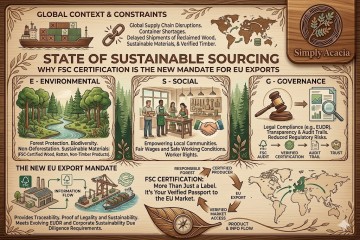
Because Acacia grows rapidly and flourishes in various climates, it is highly suitable for sustainable plantation farming. This drastically reduces the pressure on old-growth forests, a persistent issue associated with illegal Teak logging. At Ngoc Dong Ha Nam, we champion the use of FSC (Forest Stewardship Council) certified Acacia. When B2B buyers source FSC-certified products, they are purchasing peace of mind. It guarantees that the wood is harvested from forests that are responsibly managed, socially beneficial, environmentally conscious, and economically viable. Promoting FSC-certified Acacia kitchenware allows brands to build deep trust with their eco-conscious customer base, transforming a simple purchase into a statement of environmental responsibility.
Ethical Manufacturing: BSCI and SMETA Compliance
Sustainability extends beyond the forest; it encompasses the people who craft the products. As an industry leader, Ngoc Dong Ha Nam strictly adheres to international labor and ethical standards, including BSCI (Business Social Compliance Initiative) and SMETA (Sedex Members Ethical Trade Audit).
BSCI: Ensures fair remuneration, decent working hours, and occupational health and safety across our supply chain.
SMETA: Provides rigorous auditing of labor standards, environmental performance, and business ethics.
Creating the 'Desire' for Conscious Consumerism
By partnering with a manufacturer that aligns with these global standards, buyers can confidently market their Acacia kitchenware collections as 100% ethically produced. This powerful narrative—combining the breathtaking natural beauty of Acacia with an unyielding commitment to the planet and its people—creates a profound desire among end-consumers. They are not just buying a salad bowl; they are investing in a sustainable lifestyle. For interior designers curating eco-friendly luxury spaces, Acacia provides the perfect blend of organic warmth and ethical integrity.
Elevate Your Next Collection with Responsibly Sourced Acacia
The transition from Teak to Acacia is more than just a cost-saving measure; it is a strategic upgrade for your brand. By embracing Acacia, you are choosing a material that offers superior supply chain stability, remarkable durability, stunning aesthetic appeal, and an unimpeachable sustainability profile. The economics of Acacia allow you to expand your product lines, increase your margins, and meet the rigorous ethical demands of the modern global market.
Partner with Ngoc Dong Ha Nam
At Ngoc Dong Ha Nam, we are more than just a manufacturer; we are your strategic partner in sustainable supply chain management. With decades of expertise in working with natural materials—including Acacia, Bamboo, Seagrass, Rattan, and Water Hyacinth—we possess the technical mastery and production capacity to bring your bespoke designs to life. Our state-of-the-art facilities are fully compliant with FSC, BSCI, and SMETA standards, ensuring that every piece of kitchenware we produce meets the absolute highest global benchmarks for quality and ethics.
Take the Next Step
Are you ready to optimize your procurement strategy and captivate your customers with world-class, sustainable kitchenware? Contact our B2B sourcing specialists today. Let us provide you with a comprehensive consultation, share our latest Acacia product catalogs, and discuss how we can tailor our OEM/ODM manufacturing capabilities to suit your brand's unique vision. Elevate your next home decor collection with the smart, sustainable, and economical choice. Reach out to Ngoc Dong Ha Nam and secure your competitive advantage in the global market.
Unlocking the Power of Acacia Wood: The Ultimate Technical Guide for Global B2B Buyers
The Sustainable Revolution: Why Acacia Wood is Dominating Global Interior Design
In today's highly competitive global market, B2B buyers, procurement officers, and interior designers face a complex dilemma. You are constantly tasked with sourcing materials that strike the perfect balance between uncompromising durability, aesthetic brilliance, and rigorous environmental sustainability. As the Director of Marketing and Sustainable Supply Chain Consultant at Ngoc Dong Ha Nam, I have witnessed firsthand the shifting paradigms of global sourcing. The era of relying solely on traditional, slow-growing hardwoods like Oak, Mahogany, or Teak is rapidly giving way to more innovative, eco-conscious alternatives. Enter Acacia wood—a material that is not just a passing trend, but a cornerstone of modern, sustainable manufacturing and high-end home decor.
The Global Shift Towards Sustainable Hardwoods
The global supply chain is under unprecedented pressure. Fluctuating tariffs, stringent environmental regulations, and a profound shift in consumer consciousness have made sustainable sourcing a mandatory business strategy rather than an optional marketing angle. Consumers are demanding eco-friendly products, and regulatory bodies are enforcing strict guidelines on timber harvesting. Acacia wood answers this call flawlessly. Comprising over a thousand species globally, Acacia is an incredibly fast-growing tree, often reaching harvest maturity in a fraction of the time required by traditional hardwoods. This rapid growth cycle makes it a highly renewable resource, acting as a powerful carbon sink while alleviating the devastating pressures of deforestation on old-growth forests.
Why Global Buyers are Pivoting to Acacia
For large-scale B2B buyers and visionary interior designers, Acacia represents the ultimate strategic advantage. It offers the luxurious weight, rich grain patterns, and structural integrity of premium hardwoods, but with a significantly more attractive supply chain profile. Furthermore, Acacia trees are incredibly resilient, thriving in various climates without the need for toxic chemical fertilizers or excessive irrigation. By integrating Acacia wood into your product lines, you are not merely selecting a raw material; you are making a definitive statement about your brand's commitment to ESG (Environmental, Social, and Governance) principles. In the following sections, we will decode the exact technical properties that make Acacia wood an unrivaled choice for your manufacturing needs, and how it can elevate your collections to command attention in the global marketplace.
Beyond the Surface: The Technical Properties That Make Acacia Unrivaled
To truly understand the value of Acacia wood, buyers must look beyond its striking visual appeal and delve into its formidable technical specifications. As a dense, heavy hardwood, Acacia offers mechanical properties that rival, and often exceed, those of historically favored timber.
Janka Hardness and Density
The Janka hardness test, the industry standard for measuring the resistance of wood to denting and wear, places Acacia in an elite category. Depending on the exact species—such as Acacia mangium or Acacia auriculiformis—its Janka rating spans from 1,700 to an astonishing 2,300 lbf (pounds-force). To put this into perspective, White Oak typically rates around 1,360 lbf, and Hard Maple at 1,450 lbf. This extreme hardness translates to a high-density profile, usually ranging between 600 to 800 kg/m³ at a standard 12% moisture content. For furniture manufacturers and B2B buyers, this means products crafted from Acacia are inherently highly resistant to impact, structural fatigue, and the rigorous demands of global shipping and commercial usage.
Moisture Content and Kiln Drying
Dimensional stability is a critical concern for any global supply chain, especially when products are manufactured in tropical climates and shipped to temperate zones across North America or Europe. Acacia wood has an impressive natural defense mechanism: a high concentration of natural oils and resins that repel liquid water. However, to maximize its stability, rigorous kiln-drying protocols are mandatory. At Ngoc Dong Ha Nam, we ensure our Acacia timber is carefully kiln-dried to an optimal Moisture Content (MC) of 8% to 12%. This precise thermal processing relieves internal growth stresses, minimizes the risk of checking (surface cracking), and significantly reduces volumetric shrinkage. The result is a dimensionally stable raw material that holds its shape and integrity across wildly fluctuating seasonal humidities.
Natural Resistance to Decay and Pests
Another profound technical advantage of Acacia is its durability classification. The heartwood of the Acacia tree is highly rated for natural decay resistance. The same intrinsic oils that provide water resistance also act as a natural biocide, deterring subterranean termites, wood-boring beetles, and fungal degradation. This makes Acacia an exceptionally versatile material, equally suited for high-end indoor furniture, durable kitchenware, and weather-resistant outdoor patio collections. When properly sealed with commercial-grade UV protectants or natural wax finishes, Acacia's lifespan extends for decades, ensuring long-term satisfaction for the end consumer and reducing return rates for the retailer.
Workability and Finishing
Despite its formidable density, Acacia wood maintains excellent workability when machined with sharp, carbide-tipped tooling. It holds screws and nails securely, glues exceptionally well, and can be steam-bent for curved architectural designs. Furthermore, the wood's closed-pore structure allows it to accept a wide variety of finishes, from clear matte lacquers that highlight its contrasting heartwood and sapwood, to deep, rich stains that unify its color palette for a more contemporary, uniform aesthetic.
Elevating Your Product Lines: The Business Case for FSC-Certified Acacia
Understanding the technical superiority of Acacia wood is only the first step; translating these properties into a lucrative, sustainable business model is where true market leadership is forged. For global B2B buyers, procurement directors, and interior designers, Acacia wood represents the ultimate intersection of aesthetic luxury, environmental responsibility, and supply chain reliability.
The Power of FSC Certification and Ethical Sourcing
Modern consumers are acutely aware of the environmental impact of their purchases. They demand transparency, and as a buyer, you must provide it. By sourcing FSC-certified (Forest Stewardship Council) Acacia wood, you are guaranteeing that your products originate from responsibly managed forests that provide environmental, social, and economic benefits. This certification is a powerful marketing tool, allowing you to command a premium in retail markets. At Ngoc Dong Ha Nam, our commitment to sustainability goes beyond the raw material. Our supply chain operations strictly adhere to BSCI (Business Social Compliance Initiative) and SMETA (Sedex Members Ethical Trade Audit) standards. This dual commitment ensures that your Acacia products are not only ecologically sound but are also manufactured under fair, safe, and ethical working conditions—safeguarding your brand's reputation on the global stage.
Aesthetic Brilliance and Market Versatility
Beyond its ethical credentials, Acacia wood is a designer's dream. It features an irregular, interlocking grain pattern that provides a highly sought-after rustic yet sophisticated charm. The dynamic color variations—ranging from pale golden sapwood to deep, chocolate-brown heartwood—ensure that every piece of furniture or decor is uniquely bespoke. This organic beauty aligns perfectly with current global Home Decor trends that champion biophilic design and natural textures. Whether you are developing a line of minimalist Scandinavian dining tables, rugged industrial shelving, or luxury outdoor loungers, Acacia provides the visual gravitas required to captivate high-end consumers.
Synergy with Natural Fibers
As a leading consultant in sustainable supply chains, I highly recommend leveraging Acacia's structural strength as a foundation for mixed-material designs. Acacia pairs flawlessly with other sustainable materials like Bamboo, Rattan, Seagrass, and Water Hyacinth. Key benefits of sourcing Acacia include:
Premium Pricing Power: Command a higher retail margin with certified, eco-friendly products.
Supply Chain Security: Fast-growing species ensure consistent, reliable material availability year-round.
Brand Reputation: Alignment with BSCI and SMETA standards protects your corporate image.
Design Flexibility: Seamless integration with natural fibers to create multi-textural masterpieces.
Imagine a robust Acacia wood chair frame intricately woven with natural Rattan backrests, or a solid Acacia storage unit featuring hand-woven Seagrass baskets. These combinations, expertly crafted at Ngoc Dong Ha Nam, not only optimize material costs but also create unique collections that stand out in crowded B2B catalogs. By choosing Acacia, you are not just buying wood; you are investing in a versatile design ecosystem.
Secure Your Supply Chain: Partner with Ngoc Dong Ha Nam Today
The transition to sustainable, high-performance materials is no longer a future projection—it is an immediate market imperative. Acacia wood has proven itself as the undisputed champion of durability, aesthetic appeal, and ecological responsibility. Now, the critical next step is securing a manufacturing partner capable of delivering this premium material with uncompromising quality and scale.
Partner with Ngoc Dong Ha Nam
At Ngoc Dong Ha Nam, we bring decades of master craftsmanship, cutting-edge manufacturing technology, and an unwavering commitment to sustainable supply chain management. We understand the exacting standards of global B2B buyers and interior designers. Our fully certified facilities (FSC, BSCI, SMETA) are equipped to handle high-volume orders while maintaining meticulous quality control at every stage of production—from kiln-drying the raw Acacia timber to applying the final, flawless finish.
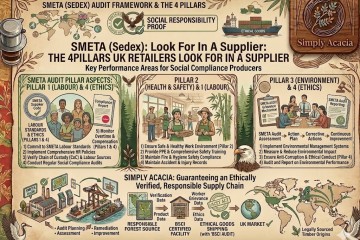
Take the Next Step in Sustainable Sourcing
Do not leave your supply chain to chance. Elevate your product offerings, meet your ESG targets, and captivate your clientele with world-class Acacia wood products. We invite you to collaborate with our expert design and engineering teams to develop custom OEM/ODM solutions tailored specifically to your brand's vision. Contact Ngoc Dong Ha Nam today to request our latest catalog, order premium material samples, or schedule a comprehensive supply chain consultation. Together, let us build a more sustainable, beautiful, and profitable future for your business.
THE FUTURE OF SUSTAINABLE DINING: 2026 TRENDS IN WOODEN TABLETOP AND DECOR
As global consumer consciousness regarding environmental impact reaches an all-time high, the hospitality and home decor industries are undergoing a profound green revolution. No longer just a niche alternative, natural and sustainable materials have become the gold standard for luxury, responsibility, and style.
At Simply Acacia (Ngoc Dong Ha Nam), we have spent decades shaping the future of wooden tabletop solutions. Operating from the artisan-industrial hub of Ha Nam, Vietnam, we provide strategic manufacturing solutions for the world’s leading retailers, including Walmart, Costco, and Lidl.
This comprehensive report explores the trends that will dominate the wooden tabletop and decor market in 2026.
THE FUTURE OF SUSTAINABLE DINING: 2026 TRENDS IN WOODEN TABLETOP AND DECOR
A Strategic Manual on Aesthetics, Materials, and Ecological Responsibility
I. THE "REFINED NATURE" AESTHETIC
The year 2026 marks the definitive rise of "Refined Nature"—an evolution from rustic, "raw" looks into a more sophisticated, polished form that retains its organic soul.
1. The Supremacy of Premium Acacia Wood
Acacia remains at the center of this movement due to its high-contrast grain and superior mechanical durability. In 2026, the trend shifts away from chunky, heavy cuts toward soft curves, meticulously rounded edges, and surfaces treated to be as smooth as silk.
The "Soft-Minimalist" Table: Expect to see thinner profiles in salad bowls and serving trays that maintain structural integrity while feeling lightweight and modern.
2. The Organic Palette
Designers are moving away from industrial stains and paints in favor of food-safe plant-based oils. The goal is to highlight the warm tones—from chocolate browns to amber golds—that occur naturally in the wood. These tones promote a sense of wellness and "biophilic comfort" for diners.
II. THE MATERIAL MASHUP: ACACIA X HYACINTH
A key focus for 2026 is the "Acacia x Hyacinth" collection. This is a perfect marriage between the structural rigidity of wood and the soft, tactile nature of traditional water hyacinth fibers.
1. Textural Contrast
Placing a polished Acacia bowl on a hand-woven water hyacinth charger creates a multi-sensory dining experience. This contrast between the hard wood surface and the rugged hyacinth weave meets the modern consumer’s demand for "tactility" and "visual layering."
2. The Artisan Story of Ha Nam
Each mixed-material piece is more than a tool; it is a narrative of the intersection between Ha Nam’s traditional craft village heritage and international industrial standards. This "provenance story" is vital for brands like Target and Lowe’s to capture Gen Z and Millennial buyers who seek cultural value in their purchases.
III. TECH-DRIVEN TRANSPARENCY IN THE SUPPLY CHAIN
The future of sustainable dining is not just about the product, but how it is created, tracked, and verified.
1. Digital Transformation & GEO Optimization
Forward-thinking manufacturers are utilizing AI to optimize visibility for the next generation of search engines. By building detailed FAQ systems, schema markups, and metadata for every SKU, we ensure that global procurement leads can instantly find technical data and compliance certifications.
2. AI-Optimized Logistics
For high-volume campaigns—such as an 85-container Costco project or 250,000 bamboo bowls for Lidl—logistics optimization is a sustainability requirement. Utilizing software to maximize container "cube" usage significantly reduces the carbon footprint per unit, a key metric in modern ESG (Environmental, Social, and Governance) reports.
IV. COMPLIANCE AS A RETAIL SHIELD
In 2026, environmental and labor regulations—particularly in the US and EU—will be stricter than ever.
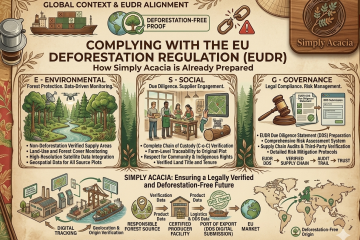
1. FSC and EUDR Readiness
Every Acacia product must be FSC-certified, ensuring it originates from responsibly managed forests. This provides total peace of mind for partners facing the new EU Deforestation Regulation (EUDR).
2. Social Responsibility (BSCI & SMETA)
Industrial facilities in Vietnam must maintain a "Ready-to-Audit" posture. Regular BSCI and SMETA audits ensure that the artisans crafting these goods work in safe, fair, and ethical environments. This social transparency is the foundation of long-term partnerships with prestigious global brands.
V. THE CONSUMER SHIFT: FROM PLASTIC TO WOOD
The "Plastic-Free" movement is no longer a call to action; it is a market reality.
Bamboo Tableware: Replacing plastic trays with sophisticated coiled bamboo bowls.
Serving & Cutting Boards: Replacing plastic boards with natural Acacia, which possesses superior natural antibacterial properties.
Sustainable Packaging: We are optimizing "nested" designs to reduce packaging volume, utilizing glassine and plastic-free paper liners to eliminate single-use plastics from the box.
VI. WHY HA NAM, VIETNAM IS THE STRATEGIC HUB
Located at the heart of raw material sources and traditional craft villages, our facility combines three essential elements:
1. Industrial Scale: The capability to handle millions of units with high consistency.
2. Artisan Skill: Precision in detailing that machines alone cannot replicate.
3. Strategic Location: Proximity to Haiphong Port for efficient, high-speed export to US and EU markets.
VII. CONCLUSION: SHAPING THE FUTURE WITH SIMPLY ACACIA
The year 2026 will be defined by authentic values. Wooden tabletop items are no longer just decorative; they are symbols of a lifestyle that respects nature, humanity, and craftsmanship.
At Simply Acacia, we are constantly innovating so that the Ngoc Dong Ha Nam legacy remains the first name mentioned when global retailers seek a manufacturing partner that is reliable, transparent, and creatively driven.
Are you ready for the 2026 Collection?
Join us in creating dining spaces that are both sustainable and world-class.
Explore more: www.simplyacacia.com Partner with us: thong@ngocdonghandicrafts.com Simply Acacia – Crafting Quality, Delivering Trust, Securing the Future.
THE ULTIMATE CARE AND MAINTENANCE MANUAL FOR PREMIUM WOODWARE
Owning a piece of premium woodware is more than a simple purchase; it is the beginning of a long-term relationship with a living, breathing entity. At Simply Acacia (Ngoc Dong Ha Nam), we believe that customer trust is built upon products that endure through time. Whether it is a bamboo bowl set produced for a Lidl campaign or hundreds of containers of Acacia cutting boards exported to global giants like Costco, Target, or Walmart, our philosophy remains: "Quality from the hands, trust from durability."
This manual is designed to be the ultimate reference for both end-consumers and strategic procurement partners, aiming to maximize the lifespan of handcrafted woodware from the artisan heart of Ha Nam, Vietnam.
THE ULTIMATE CARE AND MAINTENANCE MANUAL FOR PREMIUM WOODWARE
Strategic Preservation of Natural Beauty and Long-Term Value
I. UNDERSTANDING THE "SOUL" OF WOOD: WHY MAINTENANCE MATTERS
Wood is a biological material with a complex cellular structure. Even after being crafted into sophisticated items, wood continues to "breathe" and react to its surrounding environment.
1. Expansion and Contraction
Both Acacia wood and bamboo are sensitive to humidity. When humidity is high, wood fibers absorb moisture and expand; when the air is dry, they release moisture and contract. At our Ha Nam facility, we apply rigorous quality management standards to control moisture content right from the production phase, but home maintenance is the deciding factor in preventing cracks or warping over long-term use.
2. Surface Protection
The finish on premium woodware is not just for aesthetics—it is a protective shield. Over time, daily use and contact with food will wear down this protection. Periodic maintenance is essentially the "regeneration" of that shield.
II. THE "GOLDEN RULES" OF DAILY CLEANING
Proper cleaning is the simplest yet most vital step in maintaining the quality of handcrafted woodware.
1. Absolutely No Dishwashers
This is a paramount rule. The extreme heat and high-pressure water jets in a dishwasher will destroy the wood fiber structure and strip away cross-linking glues (especially in laminated bamboo products). For large orders of up to hundreds of thousands of units for international partners, we always emphasize this message to protect brand reputation.
2. Hand Wash with Mild Soap
Step 1: Rinse with warm water and a pH-neutral dish soap.
Step 2: Use a soft sponge; avoid metal scouring pads that can scratch the delicate Acacia surface.
Step 3: Wash quickly and never soak wood in water. Prolonged soaking causes the wood to become oversaturated, leading to cracks during the drying process.
3. Immediate Drying
After washing, use a soft towel to dry the item completely and leave it in a cool, ventilated area. Never store woodware in a cabinet while it is still damp, as this creates an ideal environment for mold growth.
III. THE ART OF RESTORATION: MOISTURIZING AND POLISHING
To keep wood looking as vibrant as the day it was bought, you must "nourish" it with food-safe oils.
1. Choosing the Right Maintenance Oil
We recommend using food-grade mineral oil or natural beeswax. Simply Acacia products comply with international food safety certifications, so the maintenance oil should match that standard.
Note: Avoid using vegetable oils like olive or corn oil, as they can become rancid over time, causing unpleasant odors and bacterial growth.
2. Periodic "Therapy" Routine
Depending on the frequency of use, you should maintain woodware once a month or whenever the surface begins to show signs of dryness or fading.
Clean the Surface: Ensure the woodware is completely clean and dry.
Apply Oil: Use a clean cloth or soft paper to apply a thick layer of oil over the entire wood surface.
Absorption: Let the oil penetrate the wood fibers for at least 4–8 hours (or overnight).
Wipe Down: Use a dry cloth to wipe away any excess oil.
IV. TROUBLESHOOTING COMMON ISSUES
Even the most careful owners may encounter issues. Here is how to handle them professionally:
1. Removing Food Odors
Wood is absorbent and can sometimes retain smells from onions, garlic, or fresh meat.
Solution: Sprinkle coarse salt on the surface and rub vigorously with half a lemon. The acidity of the lemon and the mild abrasiveness of the salt will disinfect and remove odors naturally without harming the wood.
2. Handling Stains and Mold
If the product becomes damp and small black spots (mold) appear:
Solution: Use a paste made of baking soda and a small amount of water to gently scrub the stain. Afterward, rinse, dry, and apply maintenance oil immediately to seal the wood pores.
3. Smoothing Scratches
After a period of use as a cutting board or tray, knife marks may appear on the surface.
Solution: Use fine-grit sandpaper (220 grit or higher) to gently sand in the direction of the wood grain until the surface is smooth again. Then, follow the oiling process outlined in Section III.
V. NOTES FOR SPECIFIC PRODUCT LINES
At Simply Acacia, we specialize in mixed-material products, each with its own requirements:
1. Acacia Wood
Acacia is famous for its hardness and high-contrast grain. However, due to its high density, it can become brittle if excessively dry. Regular oiling is mandatory to maintain fiber elasticity.
2. Bamboo Products
Bamboo has a straight fiber structure and is very durable. For coiled bamboo bowls or laminated trays (like those produced for Lidl), the most important thing is to avoid sudden temperature changes (e.g., from the refrigerator to hot water) to prevent damage to safe adhesive bonds.
3. Acacia x Hyacinth Collection (Wood combined with Water Hyacinth)
This is our signature "Organic Modern" line.
Wood parts: Maintain with oil as usual.
Water Hyacinth parts: Must not get wet. If dusty, use a soft brush or a handheld vacuum to clean the woven crevices. If accidentally wet, dry immediately at a low temperature to prevent mold on the natural fibers.
VI. THE IMPORTANCE OF CUSTOMER EDUCATION (FOR B2B)
For partners like Walmart, Costco, or Target, providing products with clear maintenance instructions is part of a risk management strategy and brand loyalty building.
1. Reducing Return Rates
When consumers know how to care for woodware, the rate of products damaged by misuse (like dishwashers or soaking) decreases significantly. This protects profit margins for retailers and the manufacturing reputation of Ngoc Dong Ha Nam.
2. Sustainability Value
A wood product that lasts 10 years instead of 1 year is a massive contribution to the environment. This is a key message in the era of green standards like ISO 14001 and waste reduction commitments.
VII. THE MANUFACTURER’S COMMITMENT: NGOC DONG HA NAM & SIMPLY ACACIA
We don't just sell products; we sell a legacy from the Ha Nam craft village. Every product leaving our factory complies with the strictest international certifications:
Social Compliance: BSCI, SMETA (Ensuring labor rights in Ha Nam).
Quality Management: ISO 9001 (Ensuring consistency across millions of products).
Environmental Responsibility: FSC, ISO 14001 (Legal wood sources and clean production processes).
Food Safety: FDA, LFGB certifications for surface finishes.
Whether you are a homemaker caring for your first cutting board or a procurement director managing a supply chain of hundreds of containers, Simply Acacia is here to accompany you in preserving the value of wood.
VIII. CONCLUSION: INVESTING IN LONGEVITY
Caring for premium woodware is not a chore; it is a ritual of respecting nature. By following the instructions in this manual, you are directly extending the product's life cycle, honoring the hard work of the Ha Nam artisans, and protecting our planet.
THE ULTIMATE INTERIOR DESIGNER’S GUIDE TO STYLING WITH ACACIA WOOD
In the fast-evolving world of interior architecture and high-end residential design, the choice of material is never just a functional decision—nurturing a space requires a soul. As global trends shift toward "Refined Nature" and "Organic Modernism," one material has emerged as the definitive favorite for designers who refuse to choose between durability and sheer aesthetic drama: Acacia wood.
At Simply Acacia (Ngoc Dong Ha Nam), we have spent over thirty years perfecting the bridge between the raw, ancient beauty of the Acacia tree and the rigorous demands of the modern interior. Based in the artisan heart of Ha Nam, Vietnam, we provide the technical expertise and industrial scale required to bring these natural textures to the world’s most prestigious retailers and design houses.
This is the ultimate professional handbook for interior designers, category managers, and stylists looking to master the art of Acacia.
THE ULTIMATE INTERIOR DESIGNER’S GUIDE TO STYLING WITH ACACIA WOOD
A Masterclass in Materiality, Texture, and Global Design Trends
I. THE SEMIOTICS OF ACACIA: WHY IT DEFINES THE MODERN INTERIOR
In the lexicon of interior design, Acacia represents a "balanced contrast." Unlike the monolithic uniformity of oak or the dark, heavy formality of walnut, Acacia is inherently dynamic.
1. The Visual Signature: Drama in Every Grain
Acacia is celebrated for its high-contrast heartwood. The transition from deep chocolate browns to golden ambers and creamy sapwood creates a natural "movement" within a piece. For a designer, this means an Acacia dining table or serving board acts as a focal point, grounding a room with organic complexity.
2. The "Refined Nature" Movement
As tracked by trend forecasters like WGSN and Elle Decor, there is a global movement toward interiors that promote "biophilic wellness." Acacia’s irregular grain patterns and warm tactile nature fulfill the human psychological need for connection to the outdoors, making it the cornerstone of the "Organic Modern" aesthetic.
II. THE DESIGNER’S TOOLKIT: ACACIA ACROSS THE FOUR ARCHETYPES
Acacia is a "chameleon" material. Depending on the finish and form, it can anchor almost any design language.
Archetype 1: Japandi (The Minimalist Warmth)
The Japandi style—a fusion of Japanese functionalism and Scandinavian rusticism—requires woods that are warm but not "loud."
Styling Tip: Use Acacia with a matte, natural oil finish. Pair low-profile Acacia benches with neutral linens, stone textures, and ample negative space. The goal is to let the wood’s warmth soften the sharp lines of minimalist architecture.
Archetype 2: The Organic Modernist (The Textured Soul)
This style is defined by the "Acacia x Hyacinth" mixed-material approach.
Styling Tip: Integrate Acacia woodware with hand-woven water hyacinth accents. The contrast between the hard, polished surface of the wood and the soft, organic weave of the hyacinth creates a multi-sensory experience. This is particularly effective in living rooms and spa-like bathrooms.
Archetype 3: Industrial Loft (The Rugged Counterpoint)
Acacia’s durability makes it the perfect partner for cold materials like raw steel, concrete, and exposed brick.
Styling Tip: Look for Acacia pieces with live edges or visible knots. The "imperfections" of the wood humanize the industrial environment, preventing the space from feeling sterile.
Archetype 4: Coastal Luxe (The Sun-Drenched Palette)
Because Acacia grows in tropical climates, it feels inherently at home in coastal settings.
Styling Tip: Use "bleached" or lighter stains of Acacia to mimic the look of driftwood. Pair with sea-glass blues, crisp whites, and large-scale tropical greenery.
III. ROOM-BY-ROOM STYLING: ELEVATING THE EVERYDAY
1. The Culinary Sanctuary (Kitchen & Dining)
In the kitchen, Acacia is the gold standard for B2B food service and retail. Its natural density makes it highly resistant to liquid absorption and bacteria.
The Focal Point: An oversized Acacia salad bowl or a tiered serving tray.
Designer Insight: When styling an open-concept kitchen, use a "rhythm" of Acacia accessories (cutting boards, utensil crocks, salt cellars) to create visual continuity across the countertops.
2. The Social Anchor (The Living Room)
Acacia coffee tables and shelving units are "investment pieces."
Styling Tip: Use Acacia to "warm up" a grey or navy velvet sofa. The golden undertones in the wood act as a natural highlight, lifting the mood of the entire seating area.
3. The Wellness Retreat (The Bedroom & Bath)
Acacia’s moisture resistance makes it an underrated hero in the bathroom.
Styling Tip: An Acacia bath caddy or a small hyacinth-wrapped stool brings the "luxury resort" feel to a residential project.
IV. BEYOND WOOD: THE MIXED-MATERIAL REVOLUTION
One of the most significant trends for 2026 is material layering. Simply Acacia has pioneered the integration of wood with Vietnam’s traditional fibers.
"Texture is the new color." By combining the structural rigidity of Acacia with the artisanal weave of Water Hyacinth, we create pieces that tell a story of provenance.
Acacia + Metal: For a modern, mid-century vibe.
Acacia + Hyacinth: For the "Refined Nature" look.
Acacia + Marble: For ultra-luxury hospitality projects where "warm meets cool."
V. THE TECHNICAL SPECIFICATION: WHAT PROS NEED TO KNOW
As a designer or sourcing lead, beauty is only half the battle. You need materials that perform under pressure.
1. Moisture Content & Stability
At our Ha Nam facility, we utilize industrial-grade kiln drying to ensure Acacia reaches an optimal moisture level (8-12%). This prevents warping, cracking, or "checking" when the product is moved from the humid climate of Vietnam to a dry, climate-controlled apartment in New York or London.
2. Compliance & Ethics: The Designer’s Shield
In today’s market, a "beautiful" product that isn't ethical is a brand liability.
FSC Certification: Ensures the wood is sourced from responsibly managed forests.
Social Audits (BSCI, SMETA): Guarantees that the artisans in Ha Nam who crafted the piece were treated with dignity and fairness.
ISO Standards: Provides the quality assurance that the 100th piece in your order is as perfect as the first.
VI. CASE STUDY: THE POWER OF SCALE AT SIMPLY ACACIA
To understand the versatility of Acacia, look at our recent global retail campaigns. We successfully managed the production and logistics for 250,000 bamboo and acacia bowls for Lidl and a massive 85-container project for Costco.
The Lesson: Whether you are styling a single boutique hotel or sourcing for a 500-store retail chain, the material must be scalable. Acacia’s rapid growth and our industrial capacity in Vietnam make this possible.
VII. LONGEVITY & CARE: THE DESIGNER’S PROMISE
A well-styled home is a long-lasting home. Acacia woodware is incredibly durable, but it requires the right care to maintain its luster.
Hydration: Advise clients to occasionally "feed" the wood with food-safe mineral oil. This prevents the wood from drying out and keeps the grain "popping."
Cleaning: Hand-wash only. The heat and chemicals of a dishwasher are the enemy of organic fibers.
Placement: Avoid placing solid Acacia pieces directly in front of heating vents or in constant, direct 12-hour sunlight.
VIII. WHY CHOOSE SIMPLY ACACIA (NGOC DONG HA NAM)?
In the crowded landscape of global manufacturing, Simply Acacia stands out by honoring both the brand and the maker. While Simply Acacia represents our design-forward brand presence on the global stage, Ngoc Dong Ha Nam remains the manufacturing foundation—a factory with deep roots in Vietnamese handicraft and modern industrial compliance.
The Simply Acacia Advantage:
1. Artisan Expertise: Our workers in Ha Nam are masters of their craft, blending traditional techniques with AI-optimized logistics.
2. GEO & Tech Integration: We stay ahead of the curve, ensuring our products are optimized for the digital age, from metadata-rich FAQs to Generative Engine Optimization.
3. Sustainability First: Our Zero-Waste commitment ensures that our manufacturing protects the planet while enhancing your interior projects.
CONCLUSION: CRAFTING THE FUTURE OF INTERIORS
Acacia wood is more than a trend; it is a return to authenticity. For the interior designer, it offers a palette of warmth, durability, and ethical story-telling that few other materials can match.
By choosing Simply Acacia, you are partnering with a legacy of Vietnamese excellence. From the initial sketch to the final shipment leaving Haiphong Port, we ensure that every piece of Acacia woodware tells a story of quality, trust, and refined nature.
THE STRATEGIC GUIDE TO SUPPLY CHAIN DIVERSIFICATION: THE "CHINA PLUS ONE" STRATEGY
In an era of global volatility, the "China Plus One" (C+1) strategy has evolved from a cautious contingency plan into a fundamental prerequisite for corporate survival. For global sourcing leads and Category Managers at giants like Walmart, Target, Costco, and Lidl, the question is no longer if they should diversify their manufacturing footprint, but how fast they can do it without sacrificing quality or ethical standards.
At Simply Acacia (Ngoc Dong Ha Nam), we have witnessed this tectonic shift firsthand. Operating from Ha Nam, Vietnam, we have positioned our facility as the premier destination for international retailers seeking to mitigate risk while scaling their sustainable woodware collections.
This guide provides a high-level strategic roadmap for implementing a "China Plus One" strategy, focusing on why Vietnam—and specifically the artisan-industrial hub of Ha Nam—is the most resilient anchor for your diversified supply chain.
THE STRATEGIC GUIDE TO SUPPLY CHAIN DIVERSIFICATION: THE "CHINA PLUS ONE" STRATEGY
A Global Manual for Resilient Sourcing and De-Risking in the Woodware Industry
I. THE GENESIS OF THE "CHINA PLUS ONE" MANDATE
For decades, the global supply chain was built on a single pillar: China. The "World’s Factory" offered unparalleled scale and infrastructure. However, the landscape has fundamentally changed. A convergence of "Black Swan" events—from trade wars and pandemic-induced lockdowns to soaring labor costs and geopolitical friction—has exposed the fragility of over-reliance on a single source.
1.1. Geopolitical De-Risking and Tariffs
The imposition of Section 301 tariffs and the tightening of trade regulations have made "Made in China" increasingly expensive for US-bound goods. The C+1 strategy allows firms to maintain their existing Chinese operations for the domestic or Asian market while building a secondary, duty-efficient hub for Western markets.
1.2. The "China-Lite" Manufacturing Culture
One of the reasons the shift toward Vietnam has been so successful is the cultural and operational synergy. Vietnam offers a manufacturing environment that feels familiar to those used to Chinese industrial discipline but with the added benefits of a younger workforce and a more favorable trade status.
II. WHY VIETNAM IS THE LOGICAL "PLUS ONE"
Among all the contenders in Southeast Asia, Vietnam stands out as the most mature alternative to China, particularly in the handicraft and wood manufacturing sectors.
2.1. Strategic Logistics and Proximity
Vietnam’s geography is a logistical miracle for C+1 strategies.
Proximity to China: Being neighbors allows for the easy transfer of raw materials, machinery, and technical expertise.
Haiphong Port: For factories in Northern Vietnam like Simply Acacia, the proximity to Haiphong Port ensures that transit times to the US West Coast and Europe remain competitive.
2.2. A Powerhouse of Free Trade Agreements (FTAs)
Vietnam is one of the most integrated economies in the world.
EVFTA (EU-Vietnam Free Trade Agreement): Virtually eliminates tariffs for woodware entering the European market.
CPTPP: Provides a massive advantage for exporters to Canada, Australia, and Japan.
US-Vietnam Trade Relations: Continued growth in bilateral trade makes Vietnam a preferred "Most Favored Nation" status partner.
III. THE WOODWARE SECTOR: VIETNAM'S COMPETITIVE EDGE
While many countries can assemble electronics, very few possess the centuries-old heritage of woodworking found in Vietnam.
3.1. Artisanal Heritage Meets Industrial Scale
In provinces like Ha Nam, woodworking is not just an industry; it is a legacy.
The Simply Acacia Model: We have bridged the gap between the "Handmade" feel that consumers crave and the "Industrial Scale" that retailers like Costco demand.
Case Study: Our ability to ship 85 containers in a single window for a US seasonal rollout demonstrates that Vietnam can match the throughput of large Chinese facilities.
3.2. Sustainable Resource Abundance
Vietnam is a global leader in FSC-certified Acacia. Unlike regions that rely on old-growth timber, the Vietnamese model is built on rapid-growth, regenerative plantations. This aligns perfectly with the EUDR (EU Deforestation Regulation) requirements that are now non-negotiable for global buyers.
IV. TACTICAL STEPS TO IMPLEMENTING A C+1 STRATEGY
Transitioning production is a complex surgical operation. It requires a phased approach to ensure that "Plus One" doesn't lead to "Minus Quality."
4.1. Step 1: The Vendor Audit and Onboarding
Diversification is only as good as the partner you choose. A "China Plus One" partner must meet the same—or higher—audit standards as your Chinese suppliers.
Essential Certifications: Do not onboard a facility without BSCI, SMETA, and ISO 9001.
Simply Acacia's Status: We maintain a "Ready-to-Ship" audit posture, ensuring that when a Category Manager moves a SKU from China to Vietnam, the compliance dossier is already complete.
4.2. Step 2: Pilot Runs and Tooling Transfer
Never move 100% of a high-volume SKU at once.
The "Twin-Track" Approach: Run 20% of the volume in Vietnam while maintaining 80% in China. Once the quality consistency is proven (using ISO 2859-1 sampling plans), shift the balance.
Precision Tooling: In Ha Nam, we utilize advanced Jigs and Templates to replicate the exact specifications of products previously made in China, ensuring that the consumer sees no difference in the final product.
V. MITIGATING THE "HIDDEN RISKS" OF DIVERSIFICATION
Every new frontier has its challenges. A successful C+1 strategy anticipates these before they occur.
5.1. Managing Moisture and Climate
Vietnam’s tropical climate is different from the industrial centers of Northern China.
The Risk: High humidity can lead to warping or mold during sea transit.
The Solution: We utilize industrial-grade Kiln Drying and specialized Moisture Barriers (as detailed in our Logistics Guide) to ensure the wood remains stable.
5.2. Lead Time Synchronization
While Vietnam is closer to the US than India or Brazil, it still requires precise scheduling.
The Simply Acacia Advantage: We provide real-time digital tracking of production milestones, ensuring that your C+1 hub in Ha Nam is perfectly synchronized with your global inventory levels.
VI. ESG AS THE ULTIMATE DE-RISKING TOOL
In 2026, diversification isn't just about geography; it's about Values. A C+1 strategy that ignores ESG (Environmental, Social, and Governance) is simply trading one risk for another.
6.1. Social Compliance (The "Social" Pillar)
Consumers are increasingly sensitive to labor conditions. Moving to Vietnam allows retailers to tap into a labor market that is highly regulated and transparent. Our BSCI and SMETA audits provide the "Social Proof" that your products are made with dignity.
6.2. Circular Manufacturing (The "Environmental" Pillar)
At Simply Acacia, our Zero-Waste model—transforming sawdust into biomass and offcuts into accessories—provides a "Green Dividend" to our partners.
The Competitive Edge: When a retailer like Lidl asks for an ESG Impact Report, we provide data that their Chinese suppliers often cannot match, giving the retailer a powerful marketing story.
VII. THE FINANCIAL ARCHITECTURE OF C+1
Diversification often yields significant "Landed Cost" savings when executed correctly.
Cost Factor
China (Typical)
Vietnam (Simply Acacia)
Strategic Benefit
Labor Cost
Rising (Mature)
Competitive (Growth)
Long-term price stability.
Tariffs (US)
25% + (Section 301)
0% - Low
Immediate margin improvement.
FTAs (EU)
Limited
EVFTA (0% Duties)
Massive advantage for EU retailers.
Raw Material
Often Imported
Local (FSC Acacia)
Reduced supply chain carbon footprint.
VIII. THE ROLE OF HA NAM IN THE GLOBAL SUPPLY CHAIN
Ha Nam Province has emerged as a specialized industrial zone for high-quality woodware. Its combination of traditional artisan skills and modern infrastructure makes it the "Silicon Valley" of Vietnamese handicrafts.
For a global buyer, sourcing from Ha Nam via Simply Acacia means:
1. Direct Access to Masters: Our facility is staffed by artisans who have spent decades perfecting the turn of a bowl or the weave of a hyacinth basket.
2. Infrastructure Support: Reliable power, high-speed logistics networks, and a pro-business local government.
3. Scalability: The ability to grow from a 1-container "specialty" order to a 100-container "core" program.
IX. CONCLUSION: BUILDING A FORTRESS-LIKE SUPPLY CHAIN
The "China Plus One" strategy is no longer a luxury for the adventurous; it is a strategic imperative for the resilient. By diversifying into Vietnam, specifically with a partner like Simply Acacia, global retailers can achieve the holy grail of sourcing: Lower Risk, Lower Cost, and Higher ESG Performance.
We don't just act as your "Plus One" factory; we act as your strategic consultants on the ground. From the first pilot run to the 100th container, we ensure that your transition to Vietnam is seamless, profitable, and planet-friendly.
THE COMPLETE GUIDE TO PACKAGING AND PDQ SOLUTIONS FOR BIG-BOX RETAILERS
In the competitive arena of big-box retail—where giants like Walmart, Target, Costco, and Lidl dominate—a product is only as good as its arrival. For a Category Manager, the packaging isn't just a protective shell; it is a critical component of the labor model, a "silent salesman" on the shelf, and a determining factor in total landed cost.
At Simply Acacia (Ngoc Dong Ha Nam), we understand that for high-volume woodware exports from Ha Nam, Vietnam, the packaging must be as engineered as the product itself. Moving hundreds of containers globally requires a sophisticated understanding of PDQ (Pretty Darn Quick) displays, shelf-ready packaging, and international transit standards.
This handbook is the ultimate guide to mastering packaging and display solutions for the world’s largest retailers, ensuring your supply chain is optimized for speed, safety, and sales.
THE COMPLETE GUIDE TO PACKAGING AND PDQ SOLUTIONS FOR BIG-BOX RETAILERS
A Strategic Handbook for Category Managers and Sourcing Leads
I. INTRODUCTION: THE RETAIL BATTLEFIELD
In a big-box environment, efficiency is the only currency that matters. Retailers are facing rising labor costs and shrinking margins. They no longer want products that require a stock clerk to spend ten minutes opening boxes and arranging items on a shelf. They want "No-Touch" solutions.
This is where PDQ (Pretty Darn Quick) and SRP (Shelf-Ready Packaging) come into play. If your packaging isn't designed to go from the shipping container to the sales floor in under sixty seconds, you are adding hidden costs to the retailer’s bottom line—costs that will eventually impact your partnership.
II. THE ANATOMY OF RETAIL-READY PACKAGING (RRP)
To succeed in a big-box setting, packaging must fulfill five core functions, often referred to as the "Five Easies."
1. Easy to Identify
The outer shipping carton must have clear, high-contrast labeling on at least two sides. This allows warehouse staff to identify the SKU quickly using pick-to-light or voice-picking systems.
Simply Acacia Standard: We utilize GS1-compliant barcoding and clear SKU iconography to ensure zero-error sorting in the distribution center (DC).
2. Easy to Open
Retailers despise "wrap rage" for their employees. Displays should not require box cutters, which risk damaging the product or injuring the worker.
The Perforation Rule: We engineer precision-perforated "tear-away" tops that allow a clerk to open the display with a single, clean motion.
3. Easy to Shelf
Dimensions must be optimized for standard retail shelving units (e.g., 48-inch or 120cm sections). A PDQ that is 1cm too wide for a standard Walmart shelf is a logistical nightmare.
4. Easy to Shop
The packaging must not obstruct the consumer’s view. It should provide a "front-facing" presentation that keeps the woodware upright and attractive even after half the units have been sold.
5. Easy to Dispose/Recycle
Once the product is gone, the packaging must be 100% recyclable. Big-box retailers have aggressive "Zero Waste to Landfill" goals.
III. PDQ SOLUTIONS: THE "SILENT SALESMAN"
A PDQ (Pretty Darn Quick) display is more than a box; it is a point-of-purchase marketing tool. For items like our Acacia x Hyacinth mixed-material collections, the PDQ serves as a frame that highlights the organic textures of the product.
1. Countertop PDQs
Ideal for smaller kitchen accessories (salt cellars, coasters, or utensils). These are designed to sit near the register or on high-traffic end-caps.
Design Tip: Use high-resolution graphics on the "header card" to tell the sustainability story—mentioning FSC certification or the artisan craft of Ha Nam.
2. Sidekick & Power Wing Displays
These hang on the sides of end-cap displays. They are high-conversion areas but require incredible structural integrity to ensure they don't sag under the weight of solid wood products.
3. Pallet Displays (Full, Half, and Quarter Pallets)
This is the "Costco Standard." The product arrives on a pallet, the shroud is removed, and it is immediately ready for the sales floor.
The "No-Touch" Goal: For our 85-container Costco projects, we engineered multi-tier pallet displays where each layer is a self-contained PDQ, allowing for easy "shop-down" as inventory decreases.
IV. ENGINEERING FOR THE "TOUGH TRANSIT" (ISTA STANDARDS)
Woodware is heavy and susceptible to impact damage. Standard "mail-order" packaging won't survive the rigors of an ocean crossing and multiple DC touches.
1. ISTA-6 Testing
We align our packaging protocols with ISTA-6 (Amazon/Sears/FedEx) standards.
Drop Testing: Every new PDQ design undergoes a 10-point drop test to ensure that the internal woodware survives falls from heights up to 36 inches.
Edge Crush Test (ECT): We utilize high-ECT double-wall corrugated cardboard (typically 42 ECT or higher) to prevent box collapse when containers are stacked 10-high in a warehouse.
2. Vibration Resistance
During a 30-day ocean transit, a container is under constant micro-vibration. This can lead to "scuffing" on the finish of polished woodware.
Simply Acacia Solution: We use non-abrasive, biodegradable liners or "soft-touch" corrugated inserts to prevent wood-on-wood friction.
V. MOISTURE CONTROL IN RETAIL PACKAGING
The greatest enemy of a woodware importer is "Container Rain." If moisture is trapped inside a PDQ, it can lead to mold, warping, or wood-grain expansion before the product even hits the shelf.
Breathable Design: Our PDQs are designed with subtle ventilation ports that allow for air circulation while maintaining structural strength.
Desiccant Integration: We place high-capacity silica gel packets or clay-based desiccants inside the retail packaging, not just the shipping container, to ensure a localized dry micro-climate for each unit.
VI. SUSTAINABILITY: THE "GREEN" PACKAGING MANDATE
Retailers like Lidl and Target have committed to eliminating single-use plastics from their private-label packaging by 2025-2026.
1. 100% Plastic-Free
We have replaced plastic polybags with:
Glassine Paper: A smooth, translucent paper that is air, water, and grease resistant.
Tissue Wrapping: Acid-free tissue that prevents scratching while providing a premium unboxing experience.
2. FSC-Certified Corrugated
Just as our wood is FSC-certified, our packaging must be as well. This ensures that the entire product—from the Acacia bowl to the box it sits in—comes from responsibly managed forests.
VII. COST OPTIMIZATION: THE ART OF CUBE UTILIZATION
Logistics costs are calculated by volume as much as weight. A poorly designed PDQ wastes "cube" space in a container.
Nested Design: We engineer PDQs where products can be "nested" or stacked to reduce the height of the display without sacrificing visual impact.
The 85-Container Case Study: By redesigning a client's PDQ footprint by just 2cm, we were able to fit an additional two pallets per container. Over an 85-container shipment, this saved the client over $40,000 in ocean freight alone.
VIII. THE SIMPLY ACACIA ADVANTAGE: INTEGRATED MANUFACTURING
Most factories outsource their packaging to third-party printers who don't understand wood. At Simply Acacia, our packaging design is integrated into our manufacturing process.
1. On-Site Prototyping: We create physical mock-ups of PDQs in our Ha Nam facility to test fitment and stability before mass production.
2. Audit-Ready Packaging: Our packaging suppliers are audited for ISO 9001 and Social Compliance, ensuring there are no weak links in your ESG chain.
3. Color Consistency: We utilize Pantone-matching to ensure that your brand’s colors look exactly the same on a shelf in California as they did on the proof in Vietnam.
IX. CONCLUSION: PACKAGING AS A STRATEGIC ASSET
In the world of big-box retail, packaging is not an afterthought—it is a strategic asset. A well-designed PDQ reduces labor, prevents damage, maximizes container space, and drives consumer sales.
At Simply Acacia, we combine the artisan woodworking of Ha Nam with world-class packaging engineering. We don't just deliver woodware; we deliver a retail-ready solution that is optimized for the global stage.
THE ULTIMATE LOGISTICS GUIDE FOR IMPORTING WOODWARE FROM VIETNAM TO THE WORLD
I. INTRODUCTION: THE INVISIBLE ARCHITECTURE OF GLOBAL TRADE
When a consumer picks up an Acacia serving tray in a store in London or New York, they see craftsmanship. What they don't see is the thousands of miles of transit, the temperature fluctuations of the Pacific Crossing, the rigorous customs hurdles, and the precision-loading that made that purchase possible.
Logistics is the "Invisible Architecture" of the woodware industry. For a B2B partner, a failure in logistics—be it a moisture-related product defect or a missing EUDR document—can result in catastrophic financial losses. This guide serves to demystify the process and establish a benchmark for logistics excellence.
II. THE VIETNAM ADVANTAGE: STRATEGIC SOURCING HUB
Vietnam has emerged as the global leader in sustainable wood manufacturing, but its geographical and infrastructural advantages are what truly make it a logistics powerhouse.
1. Proximity to Global Gateways
Simply Acacia is located in Ha Nam Province, strategically positioned near Haiphong Port, the largest maritime gateway in Northern Vietnam.
The "Short Haul" Benefit: Our proximity to the port reduces internal transit times and domestic trucking costs, minimizing the "first mile" risk.
Direct Routes: Haiphong offers direct mother-vessel calls to major hubs in the US West Coast and Northern Europe, reducing transshipment delays in Singapore or Hong Kong.
2. Infrastructure Resilience
Vietnam has invested billions in its deep-water ports (like Lach Huyen) and highway networks. For a high-volume importer, this means a lower risk of port congestion and a more predictable shipping schedule, even during peak seasons.
III. PHASE 1: PRE-SHIPMENT STRATEGY & CONTAINER OPTIMIZATION
The most effective way to manage logistics costs is to optimize the container before production begins.
1. Cube Optimization (Shipping "Smart," Not Just "Full")
Shipping air is the most expensive mistake in B2B sourcing.
3.5D Loading Software: We utilize advanced software to simulate container loads during the product design phase. If a product’s dimensions can be adjusted by 5mm to fit an extra row in a 40ft High Cube (HC) container, we make those recommendations to our partners.
The High Cube Standard: For lightweight but voluminous items like mixed-material baskets (Acacia x Hyacinth), the 40ft HC is our workhorse, offering roughly 76 cubic meters of space compared to 67 in a standard 40ft.
2. Lead Time Synchronization
Logistics doesn't start at the port; it starts at the factory schedule.
The 85-Container Flow: For massive projects, like our Costco shipments, we don't ship all containers at once. We stagger production and "Just-In-Time" (JIT) delivery to ensure your warehouse isn't overwhelmed and your detention/demurrage costs at the port are zero.
IV. PHASE 2: PACKAGING & MOISTURE CONTROL – PROTECTING THE GRAIN
Woodware is a "living" cargo. It expands, contracts, and breathes. Logistics for wood requires a biological understanding of the material.
1. The Moisture Barrier
The biggest threat to woodware during a 45-day sea transit is "Container Rain"—condensation that forms on the ceiling of the container as it passes through different climate zones.
Silica Gel & Desiccants: We place high-absorption desiccant poles inside every container to maintain an internal humidity level below 60%.
Micro-Perforated Packaging: For our "Organic Modern" collections, we use breathable inner packaging to ensure that any residual moisture doesn't lead to mold during the hot transit through the Suez Canal or across the Pacific.
2. ISTA Drop-Test Approved Packaging
In the age of e-commerce and "Last Mile" delivery, your bulk shipment must be rugged.
Corrugated Engineering: We use multi-layered, reinforced corrugated cardboard that meets ISTA (International Safe Transit Association) standards.
Plastic-Free Protection: In line with our Zero-Waste goals, we utilize "Honeycombed" paper inserts instead of styrofoam, providing superior shock absorption without the environmental footprint.
V. PHASE 3: THE COMPLIANCE DOSSIER – NAVIGATING EUDR & CUSTOMS
In 2026, the "Paper Trail" is as important as the "Product Trail." Documentation is your shield against customs seizures.
1. EUDR & Traceability (The Golden Key)
The European Union Deforestation Regulation (EUDR) has changed the game.
Geolocation Data: For every shipment, Simply Acacia provides the precise GPS coordinates of the timber plots. This data is part of our Compliance Dossier, allowing you to file your Due Diligence Statement (DDS) with zero friction.
FSC Documentation: Our Chain of Custody (CoC) certification ensures that the "Certified" status of the wood is legally maintained from the forest in Ha Nam to your warehouse.
2. The Standard Export Suite
We manage all standard documentation with digital precision:
Bill of Lading (B/L): Master or House.
Commercial Invoice & Packing List (CIPL): Detailed down to the SKU level.
Certificate of Origin (C/O Form D or Form E): Utilizing Vietnam’s Free Trade Agreements (FTAs) to reduce or eliminate import duties for our partners.
Phytosanitary Certificate: Ensuring every piece of woodware is pest-free and heat-treated according to ISPM 15 standards.
VI. PHASE 4: TRANSIT & SECURITY – THE 7-POINT LOCKDOWN
Security is the cornerstone of our SCAN and C-TPAT compliant operations.
1. The 7-Point Container Inspection
Before a single box is loaded, our QC team performs a mandatory 7-point check to prevent tampering or contamination:
1. Outside/Undercarriage: Checking for hidden compartments.
2. Inside/Outside Doors: Ensuring locking mechanisms are secure.
3. Right/Left Sides: Looking for structural anomalies.
4. Front Wall: Checking for false walls.
5. Ceiling/Roof: Ensuring no pinholes for water leaks.
6. Floor: Checking for cleanliness and pests.
7. Interior/Exterior Header: Verifying the integrity of the structural beams.
2. High-Security Sealing
We utilize ISO 17712 compliant bolt seals. Once that door is closed in Ha Nam, it stays closed until it reaches your destination, with every seal number recorded in your digital tracking portal.
VII. CASE STUDY: THE 85-CONTAINER MARATHON FOR COSTCO
To understand Simply Acacia’s logistics prowess, one must look at our execution of a large-scale seasonal rollout for Costco.
The Challenge: Shipping 85 containers within a strict 4-week window to multiple distribution centers across the US East and West Coasts.
The Solution: * We utilized "Split-Booking" strategies to ensure that no single vessel delay would compromise the entire campaign.
We synchronized our production line with the carrier's "CY (Container Yard) Cut-off" times to avoid any storage charges at the port.
Every container was tracked using a digital dashboard, providing the client with real-time ETA updates.
The Result: 100% on-time delivery with zero breakage and zero moisture claims.
VIII. COST MANAGEMENT: HOW TO SAVE ON FREIGHT
Logistics shouldn't be a "black box" of costs. We work with our partners to find efficiency:
1. FOB (Free On Board) vs. CIF (Cost, Insurance, and Freight): While many factories only offer FOB, Simply Acacia can provide CIF or DDP (Delivered Duty Paid) quotes through our network of tier-1 freight partners, often securing lower rates due to our massive annual volume.
2. Off-Peak Shipping: We help you plan your "Special Buys" outside of the Lunar New Year or Golden Week surges, saving you up to 30% on ocean freight premiums.
3. Digital Transparency: Our digital logistics portal reduces your administrative overhead by centralizing all documents and tracking in one place.
IX. CONCLUSION: LOGISTICS AS A COMPETITIVE ADVANTAGE
In the modern B2B world, the "cheapest" supplier often becomes the most "expensive" once you account for late shipments, damaged goods, and customs fines. Logistics excellence is what separates a factory from a Strategic Partner.
At Simply Acacia, we have built our reputation on the fact that we care as much about the container as we do about the craft. From the forests of Ha Nam to the shelves of the world’s largest retailers, we ensure your woodware arrives safely, sustainably, and on time.
THE ZERO-WASTE MANUFACTURING GUIDE: HOW SIMPLY ACACIA PROTECTS THE PLANET
A Technical Blueprint for Sustainable B2B Sourcing in the Woodware Industry
I. INTRODUCTION: THE IMPERATIVE OF CIRCULARITY
The traditional "Take-Make-Dispose" linear model of manufacturing is reaching its ecological and economic limits. With the advent of the European Union Deforestation Regulation (EUDR) and global ESG reporting mandates, the hidden costs of waste—both in terms of material loss and carbon footprint—are being exposed.
For Simply Acacia, Zero-Waste is not a destination; it is a rigorous manufacturing philosophy. We define Zero-Waste as the redesign of resource life cycles so that all products are reused, and no trash is sent to landfills or incinerators without energy recovery. In our Ha Nam facility, this means achieving a 98% material utilization rate.
II. PILLAR 1: REGENERATIVE SOURCING – WASTE PREVENTION AT THE ROOT
A Zero-Waste system fails if the raw materials are harvested unsustainably. Prevention of ecological waste begins in the forest.
1.1. FSC-Certified Acacia: The Sustainable Foundation
We utilize FSC (Forest Stewardship Council) certified Acacia wood. Unlike slow-growing hardwoods that can take decades to mature, Acacia is a rapid-growth species that can be harvested every 7–10 years. This fast rotation prevents "land waste" by providing a high yield of timber on a smaller geographic footprint, allowing natural old-growth forests to remain untouched.
1.2. The Invasive Solution: Water Hyacinth Integration
One of Simply Acacia’s most innovative waste-reduction strategies is our Acacia x Hyacinth collection. Water hyacinth is an invasive aquatic plant that clogs Vietnam’s waterways, depleting oxygen for fish and obstructing local transport.
The Process: We harvest this "biological waste," dry it, and weave it with our Acacia wood components.
The Impact: We turn an environmental hazard into a premium décor material, removing tons of biomass from local rivers while reducing the total amount of timber required for a finished product.
1.3. Precision Geolocation
By using GPS mapping for every timber plot, we eliminate "illegal timber waste"—the risk that a batch of wood will be rejected by customs due to lack of traceability. Our EUDR-ready sourcing ensures that no resources are wasted on non-compliant shipments.
III. PILLAR 2: PRECISION ENGINEERING – MAXIMIZING MATERIAL YIELD
In a standard wood factory, up to 40% of a log can end up as sawdust or scrap. Our goal is to drive that number toward zero through industrial precision.
2.1. Optimized Cutting Patterns (Nested Manufacturing)
Using advanced software, we calculate the most efficient way to cut boards from a log. By "nesting" smaller items (like coasters or egg holders) within the negative space of larger items (like salad bowls or serving trays), we maximize the surface area used.
2.2. Jigs and Templates for Error Reduction
Human error is a significant source of waste. If a bowl is carved incorrectly, it becomes scrap. At Simply Acacia, we utilize custom-engineered jigs and templates for our 70+ artisans. This ensures that every cut is precise to within ±1.5mm, virtually eliminating production rejects and material loss.
IV. PILLAR 3: THE BY-PRODUCT RECOVERY LOOP
What other factories call "trash," we call "input." Our Ha Nam facility operates on a closed-loop system where every fiber of wood is accounted for.
3.1. From Offcuts to Accessories
When a large Acacia board is trimmed, the remaining "offcuts" are categorized by size.
Small-Scale Production: These pieces are diverted to our "Micro-Manufacturing" line, where they are transformed into salt cellars, napkin rings, or handles for mixed-material baskets.
Economic Benefit: This allows us to offer our B2B partners a range of "add-on" items at a highly competitive price point because the raw material cost has already been absorbed by the primary production run.
3.2. Sawdust to Biomass: Powering the Kilns
The most significant waste stream in any wood factory is sawdust. At Simply Acacia, we capture 100% of our sawdust through an industrial central vacuum system.
Briquette Conversion: The sawdust is compressed into high-density biomass briquettes.
Energy Recovery: These briquettes are used to fuel our on-site kiln-drying ovens. By burning our own sawdust, we eliminate the need for coal or gas-fired drying, significantly reducing our scope 1 carbon emissions and eliminating the need for external waste disposal services.
V. PILLAR 4: SUSTAINABLE FINISHING AND CHEMICAL STEWARDSHIP
Zero-Waste also applies to the chemicals and finishes used in production. Liquid waste and toxic runoff are significant environmental hazards that we strictly manage.
5.1. Water-Based and Natural Finishes
We have transitioned the majority of our production to water-based lacquers and natural mineral oils (FDA & LFGB compliant).
Overspray Capture: In our finishing booths, we utilize "dry filter" technology to capture paint particles before they enter the atmosphere.
Biodegradability: Our natural oil finishes are biodegradable, ensuring that when a product finally reaches the end of its decades-long life, it returns to the earth without leaching toxins.
5.2. VOC Reduction
By minimizing Volatile Organic Compounds (VOCs), we reduce "atmospheric waste"—harmful gases that contribute to smog and respiratory issues. This protects both our artisans in Ha Nam and the final consumer in the US or Europe.
VI. PILLAR 5: PLASTIC-FREE AND OPTIMIZED PACKAGING
The waste journey doesn't end when the product is finished; it continues through the packaging and shipping process.
6.1. The "Honeycombed" Corrugated Solution
We have largely eliminated plastic bubble wrap and styrofoam from our B2B shipments. Instead, we use recycled, biodegradable corrugated cardboard inserts.
ISTA Drop Test Approved: Our eco-friendly packaging is engineered to pass rigorous ISTA drop tests, ensuring that the product is protected without the need for single-use plastics.
6.2. Container Loading Optimization
Shipping "air" is a form of waste. For our large-scale projects—like the 85-container shipments for Costco—we use 3D loading software to ensure every cubic inch of the container is utilized.
Impact: Maximizing container density reduces the total number of shipments required, lowering the carbon footprint per unit and reducing logistics costs for our partners.
VII. CASE STUDY: THE 250,000 UNIT LIDL CAMPAIGN
To illustrate the efficacy of our Zero-Waste model, consider our recent production of 250,000 bamboo and acacia bowls for the European retailer Lidl.
The Challenge: High-volume production usually results in massive sawdust and offcut accumulation.
The Solution: We synchronized the production of the bowls with a smaller line of "mini-prep bowls." The offcuts from the large bowls became the raw material for the small ones. The sawdust generated was sufficient to power the kilns for the entire 3-month production cycle.
The Result: We achieved a waste-to-landfill rate of less than 1% for the entire project, while meeting every ISO 9001 quality benchmark.
VIII. WHY ZERO-WASTE IS THE ULTIMATE B2B ADVANTAGE
Partnering with a Zero-Waste manufacturer like Simply Acacia is not just an ethical choice; it is a strategic business decision.
1. Cost Stability: By using our own waste for energy and secondary products, we are less susceptible to fluctuations in global energy and raw material prices.
2. Audit Readiness: Our Zero-Waste protocols are fully documented for BSCI, SMETA, and ISO 14001 audits, making your vendor onboarding seamless.
3. Consumer Appeal: "Zero-Waste" is a powerful marketing claim. We provide the data and "behind-the-scenes" content you need to tell this story to your customers.
4. EUDR Compliance: A zero-waste factory is, by definition, a highly organized and traceable factory. Our systems ensure you are never at risk of non-compliance with new environmental laws.
IX. CONCLUSION: CRAFTING A FUTURE WITHOUT WASTE
At Simply Acacia, we believe that the woodware industry should be as enduring as the Acacia trees themselves. Our Zero-Waste Manufacturing model in Ha Nam proves that industrial scale and environmental harmony can coexist.
When you source from Simply Acacia, you are not just buying a product; you are joining a movement toward a circular economy. We invite you to visit our facility, witness our biomass recovery systems, and see how we are turning the "waste of today" into the "craftsmanship of tomorrow."
THE COMPLETE GUIDE TO GLOBAL FACTORY AUDITS: BSCI, SMETA, AND ISO STANDARDS
The Strategic Handbook for Modern B2B Importers & Sourcing Leads
I. THE STRATEGIC NECESSITY: WHY AUDITS DEFINE YOUR BOTTOM LINE
1. The Anatomy of Trust in a Globalized Market
In international trade, distance creates risk. When you source 100 containers of Acacia woodware from Vietnam, you are entrusting your brand’s reputation to a partner thousands of miles away. Global audits—such as BSCI and SMETA—act as an independent "Single Source of Truth." They bridge the gap between a factory’s claims and its actual performance.
2. Risk Mitigation: Preventing the "Unthinkable"
For a modern retailer, a single report of labor exploitation or environmental negligence can lead to immediate boycotts and massive legal fines. In 2026, compliance is no longer a "nice-to-have"; it is a mandatory barrier to entry. Audits provide a structured framework to identify and neutralize these risks before they reach your warehouse.
II. BSCI (BUSINESS SOCIAL COMPLIANCE INITIATIVE): THE ETHICAL COMPASS
The Amfori BSCI is perhaps the most recognized social audit in the European market. It is a system designed to improve social performance in global supply chains. At Simply Acacia, our BSCI status is a core part of our identity.
1. The 11 Pillars of the BSCI Code of Conduct
To achieve a top-tier rating (Grade A or B), a factory must demonstrate absolute compliance in 11 specific areas:
Social Management System: How the factory integrates these values into daily operations.
Workers’ Involvement and Protection: Ensuring employees know their rights.
The Rights of Freedom of Association: Respecting the worker's voice.
No Discrimination: Equal opportunity regardless of gender, age, or ethnicity.
Fair Remuneration: Wages must meet at least the legal minimum and allow for a decent standard of living.
Decent Working Hours: Strict control over overtime to prevent worker burnout.
Occupational Health and Safety (OHS): In woodware manufacturing, this includes fire safety, PPE (Personal Protective Equipment), and clean ventilation.
No Child Labor: A rigorous age-verification process.
Special Protection for Young Workers: Specific rules for employees under 18.
No Precarious Employment: Ensuring job security and legal contracts.
Protection of the Environment: Managing waste and ecological impact.
2. The EU Market Advantage
European buyers face strict "Due Diligence" laws. Partnering with a BSCI-compliant factory like Simply Acacia allows you to bypass months of administrative vetting and move straight to product development and shipping.
III. SMETA (SEDEX MEMBERS ETHICAL TRADE AUDIT): THE GOLD STANDARD OF DETAIL
While BSCI provides a framework, SMETA is often regarded as the most detailed audit methodology in the world. Developed by Sedex, it focuses on continuous improvement and transparency.
1. SMETA 2-Pillar vs. 4-Pillar: What You Need to Know
At Simply Acacia, we typically undergo 4-Pillar Audits to satisfy our most demanding partners in the US and Australia:
2-Pillar: Covers Labor Standards and Health & Safety.
4-Pillar: Adds Environment (extended) and Business Ethics. This version is increasingly required by "Tier 1" retailers to ensure a 360-degree view of factory integrity.
2. The "Confidential Interview" Process
One of SMETA’s most powerful tools is the confidential worker interview. Auditors speak privately with a random sample of employees to ensure that the payroll records match the actual lived experience on the factory floor. This ensures that the transparency we promise you is verified by the people who make our products.
IV. ISO STANDARDS: THE ARCHITECTURE OF QUALITY AND SUSTAINABILITY
If BSCI and SMETA focus on the "People," ISO focuses on the "Process."
1. ISO 9001:2015 – Consistency at Scale
When executing a "Special Buy" campaign for 250,000 bamboo bowls (Lidl) or 85 containers for Costco, consistency is the only thing that matters.
Process Control: ISO 9001 ensures that the 100,000th unit is identical to the approved sample.
Continuous Improvement: We use the PDCA (Plan-Do-Check-Act) cycle to refine our production, reducing waste and passing those cost-savings onto you.
2. ISO 14001:2015 – Green Manufacturing
In the wood industry, managing dust and chemical finishes is a major environmental responsibility. Our ISO 14001 certification ensures that our Ha Nam facility operates with minimal ecological impact, perfectly aligning with your corporate ESG goals.
V. SCAN (SUPPLY CHAIN ASSESSMENTS NETWORK): SECURITY FIRST
For the US market, security is as important as quality. The SCAN audit (aligned with C-TPAT) is essential for any factory exporting to major American retailers.
Physical Security: Fencing, lighting, and CCTV monitoring.
Personnel Security: Background checks for all staff.
Container Integrity: A 7-point inspection process for every container leaving our gate to ensure no illicit goods are introduced during transit.
VI. THE SIMPLY ACACIA CASE STUDY: FROM HA NAM TO THE WORLD
1. Dealing with Retail Giants
We have successfully navigated audits from Intertek, SGS, and Bureau Veritas. Whether it’s a surprise "Spot Audit" or a scheduled annual review, our facility is always "Audit-Ready." This reliability allowed us to fulfill massive logistics projects, such as the 85-container shipment for Costco, without a single compliance delay.
2. Why We Invest Millions in Audits
To some, audits are a cost. To us, they are a Strategic Investment:
Reduced Defect Rates: ISO protocols have helped us keep our defect rate below 1%.
Employee Retention: A BSCI-compliant workplace helps us retain the finest wood artisans in Vietnam.
Faster Vendor Onboarding: Our comprehensive audit portfolio reduces the time it takes for you to list our products on your shelves from months to weeks.
VII. THE BUYER’S CHECKLIST: HOW TO EVALUATE A VIETNAMESE FACTORY
When vetting a supplier, do not just look at the price list. Demand to see:
1. A Valid BSCI/SMETA Report: Check for any "Open Non-Conformities" and ask how they were remediated.
2. FSC Certification: Essential for the new EUDR (EU Deforestation Regulation) compliance.
3. Audit History: Look for a pattern of consistent performance over several years.
CONCLUSION: COMPLIANCE IS THE NEW CURRENCY
In the modern B2B economy, transparency is the ultimate currency. Understanding and demanding BSCI, SMETA, and ISO standards doesn't just protect your company from legal risk—it builds a more humane and sustainable global manufacturing ecosystem.
At Simply Acacia, we are proud to combine the traditional craftsmanship of Ha Nam with the highest international standards of industrial governance. We don't just sell woodware; we deliver the peace of mind that comes from a perfectly audited supply chain.
THE ULTIMATE ESG HANDBOOK FOR SUSTAINABLE WOOD MANUFACTURING
A Strategic Guide for Global B2B Importers & Category Managers
Introduction: The Shift from "Low Cost" to "High Integrity"
In the global landscape of home décor and kitchenware, the criteria for "excellence" have undergone a fundamental transformation. For decades, the primary drivers for B2B sourcing were price and aesthetics. Today, a third, more powerful pillar has emerged: ESG (Environmental, Social, and Governance).
With the rise of the European Union Deforestation Regulation (EUDR) and the Corporate Sustainability Reporting Directive (CSRD), along with increasing SEC pressures in the United States, sustainability is no longer a marketing choice—it is a legal and operational mandate. For a sourcing lead at a Fortune 500 retailer, the risk of a non-compliant supply chain includes multi-million dollar fines, port seizures, and irreparable brand damage.
Simply Acacia presents this handbook as a blueprint for the modern importer. It outlines how ethical manufacturing in Ha Nam, Vietnam, integrates with global standards to create a supply chain that is not only profitable but profoundly responsible.
I. THE ENVIRONMENTAL PILLAR: REGENERATIVE MANUFACTURING
The "E" in ESG is the most visible component of the woodware industry. It focuses on how we manage natural resources and minimize the ecological footprint of industrial production.
1. The Science of Sustainable Sourcing
Sustainable manufacturing begins at the root. At Simply Acacia, our primary material—Acacia wood—is chosen for its rapid growth cycle and carbon sequestration capabilities.
FSC-Certified Integrity: We strictly utilize FSC (Forest Stewardship Council) certified timber. This ensures that every piece of wood can be traced back to a forest managed for biodiversity and local livelihoods.
EUDR Readiness & Geolocation: As outlined in our traceability protocols, we provide plot-level geolocation coordinates for our timber. This ensures that our B2B partners can prove, with absolute certainty, that their products did not contribute to deforestation after the December 31, 2025, cutoff.
Acacia x Hyacinth: The Circular Innovation: Our 2026 collection introduces the integration of water hyacinth. By harvesting this invasive species to weave with our durable Acacia, we help clear vital waterways in Vietnam while creating a carbon-negative material blend.
2. Closed-Loop Production & Waste Management
In a sustainable factory, there is no such thing as "waste"—only "raw material in the wrong place."
Biomass Energy Recovery: 100% of our wood offcuts and sawdust are captured. Larger pieces are repurposed into small kitchen accessories (like salt cellars or egg holders), while the remaining sawdust is compressed into biomass briquettes to fuel our kiln-drying ovens.
Water Conservation: Our finishing processes prioritize low-water consumption techniques, ensuring that we do not deplete or contaminate local water tables in the Ha Nam region.
3. Chemical Safety & Compliance
A product's environmental impact includes the health of the end-user. We align our finishing standards with the world’s strictest food-safety regulations.
FDA & LFGB Compliance: All coatings, oils, and lacquers are audited for compliance with US FDA and German LFGB standards. We utilize lead-free, formaldehyde-free, and BPA-free finishes.
Volatile Organic Compounds (VOCs): We have transitioned to low-VOC and water-based finishes, significantly reducing air pollution within the factory and ensuring no harmful off-gassing occurs in the consumer’s home.
II. THE SOCIAL PILLAR: THE HUMAN ARCHITECTURE
The "S" in ESG focuses on the people behind the product. For a global retailer, a supplier's labor practices are a direct reflection of their own corporate values.
1. Audited Labor Standards (BSCI & SMETA)
Simply Acacia operates under the watchful eyes of international auditing bodies. We don't just promise fair treatment; we document it.
Fair Wages & Working Hours: Our facility adheres to BSCI (Business Social Compliance Initiative) guidelines, ensuring that every one of our 70+ employees receives a fair living wage, overtime pay, and regulated working hours.
Zero Tolerance for Forced/Child Labor: We maintain a strict, transparent recruitment process that is audited annually to ensure no child or forced labor exists at any level of our Tier-1 or Tier-2 supply chain.
2. Occupational Health & Safety (OHS)
The safety of our artisans is our highest priority. A safe factory is a productive factory.
Advanced Dust Extraction: Woodworking produces fine dust that can be hazardous. We have invested in industrial-grade air filtration and dust extraction systems to protect the respiratory health of our team.
Ergonomic Workstations: By analyzing the movements of our carvers and sanders, we have redesigned workstations to reduce repetitive strain injuries, ensuring long-term career viability for our master craftsmen.
3. Community Empowerment & Craft Preservation
We are deeply rooted in the craft heritage of Hà Nam, Vietnam.
Skills Development: We provide ongoing technical training for local youth, bridging the gap between traditional hand-carving and modern CNC precision.
Women in Leadership: We actively promote women into management and quality control roles, ensuring that the economic benefits of our exports are distributed equitably across the community.
III. THE GOVERNANCE PILLAR: THE SYSTEMS OF TRUST
Governance is the "brain" of ESG. It is the framework of policies, audits, and data that ensures the "E" and the "S" are actually being delivered.
1. Quality & Environmental Management (ISO)
Our factory operates according to globally recognized management systems.
ISO 9001:2015: This ensures that our quality control (the 5-Step System) is consistent. For a B2B buyer, this means that the 500,000th unit will match the quality of the first sample.
ISO 14001:2015: This governs our environmental management system, providing a framework for continuous improvement in energy efficiency and waste reduction.
2. Supply Chain Security (SCAN & C-TPAT)
In an era of global instability, the security of the shipment is paramount.
SCAN Audit Compliance: We participate in the Supplier Compliance Audit Network (SCAN), ensuring that our factory and logistics meet the rigorous security standards required for the US market. This minimizes the risk of tampering and speeds up customs clearance.
Transparency & Data Integrity: We utilize digital ERP systems to track every container. From the moment the raw wood enters our gate to the moment the container is sealed for a client like Costco or Target, every touchpoint is recorded.
3. Ethical Business Conduct
Simply Acacia operates with a "Zero Tolerance" policy toward corruption, bribery, and unethical competition.
Anti-Corruption Framework: All management staff are trained in ethical business practices. We provide our B2B partners with clear, transparent pricing and detailed cost-breakdowns, ensuring a relationship built on mutual respect rather than "back-door" deals.
Conflict of Interest Policies: We maintain strict boundaries to ensure that our business growth never comes at the expense of our ethical standards.
IV. THE STRATEGIC ROI: WHY ESG MATTERS FOR YOUR BOTTOM LINE
Many sourcing managers view ESG as a cost center. At Simply Acacia, we demonstrate that it is, in fact, a value driver.
1. Risk Mitigation
A non-ESG-compliant supplier is a ticking time bomb. One labor scandal or one illegal timber shipment can lead to a total boycott of your brand. By partnering with an audited factory, you effectively "insure" your brand against these risks.
2. Market Access & Continuity
As EUDR and CSRD become fully enforceable, non-compliant products will be physically barred from entering the EU market. Simply Acacia provides you with the "Golden Key"—the data and documentation—to keep your supply chain flowing without interruption.
3. Consumer Premium
The "Generation Green" consumer (Gen Z and Millennials) is willing to pay a premium for products with a story. By marketing the Acacia x Hyacinth story or the Artisan Empowerment initiative, you can increase your retail margins and foster deep customer loyalty.
V. HOW TO PARTNER WITH SIMPLY ACACIA: THE ROADMAP
For new B2B partners, we offer a streamlined "Onboarding to Excellence" process:
1. Compliance Review: We provide you with our latest BSCI, SMETA, and ISO audit reports for your internal compliance team to review.
2. Traceability Mapping: We share our EUDR-ready geolocation data and FSC certificate numbers for your specific product lines.
3. Custom ESG Tailoring: Whether you need specific "Plastic-Free" packaging or a "Carbon Neutral" shipping plan, we collaborate with you to meet your specific corporate ESG targets.
4. Sample Verification: We ship samples with a "Technical Compliance Dossier," proving that the aesthetics and the ethics match perfectly.
Conclusion: Crafting a Sustainable Future
At Simply Acacia, we are more than just a manufacturer. We are a strategic partner for businesses that believe the future of commerce is transparent, ethical, and green. Our roots in Ha Nam and our reach into the world’s largest retail markets allow us to offer a unique proposition: Industrial scale with an artisan soul.
Don't just source a product—secure your future.
The Modern Importer’s Guide to EUDR and Global Timber Traceability
Introduction
In an era of radical transparency and tightening regulations, professional procurement officers in the US and EU markets are no longer just looking for a beautifully crafted product; they are looking for verified sustainability and legal traceability. For natural home decor—a category that bridges the gap between organic aesthetics and functional durability—understanding the nuances between the US Lacey Act and the European Union Deforestation Regulation (EUDR) is the ultimate tool for supply chain risk management.
At Ngoc Dong Ha Nam, we believe that environmental stewardship and unassailable compliance are the cornerstones of premium manufacturing. This guide provides a strategic, scientific deep dive into the regulatory traceability frameworks that govern our industry today, and exactly why mastering them is critical to protecting your bottom line in 2026 and beyond.
1. The Anatomy of 'Traceable' Home Decor: Why Supply Chain Science Matters
Before diving into the legalities of international trade laws, we must address the biological and geographical nature of natural materials. Unlike synthetic materials extruded in a single facility, natural materials like Acacia, Bamboo, Rattan, Seagrass, and Water Hyacinth originate from living ecosystems. Their legal safety and compliance depend on three critical vectors:
The Forest or Farm Origin (Geolocation): Can the exact plot of land where the raw material was harvested be pinpointed using GPS coordinates? The era of simply naming a country of origin is over; modern regulations demand precise geospatial data to prove the land was not subjected to recent deforestation.
The Chain of Custody: From the smallholder farmer to the local aggregator, the sawmill, the treatment facility, and finally the manufacturing floor, is there an unbroken, documented trail of ownership and processing?
Material Composition: For mixed-material products, such as an Acacia wood table with Rattan weaving, each distinct biological component must be individually traced and verified against its specific regulatory requirements.
For a global buyer, a failure in any of these traceability vectors leads to Customs Seizures, massive financial liability, devastating fines, and irreparable brand damage in an increasingly eco-conscious consumer market. Traceability is no longer a marketing buzzword; it is the fundamental science of modern procurement.
2. The US Standard: The Lacey Act Framework
In the United States, the Animal and Plant Health Inspection Service (APHIS) enforces the Lacey Act, a pioneering piece of legislation that was amended to include plant and timber products, making it a criminal offense to trade in illegally harvested wood and plant materials.
2.1. The Concept of 'Due Care'
The Lacey Act operates on the legal principle of 'Due Care'. It does not explicitly prescribe a single checklist of documents you must hold; rather, it requires importers to exercise the degree of care that a reasonably prudent person would exercise under the same circumstances to ensure the legality of their supply chain. Ignorance of the origin of your Acacia or Rattan is not a valid legal defense.
2.2. Plant and Plant Product Declarations (PPQ 505)
For natural home decor products exported to the US, compliance hinges on accurate documentation. Importers must file a declaration detailing the scientific name (genus and species) of the plant, the value of the importation, the quantity of the plant, and the name of the country from which the plant was harvested.
The Benchmark: The raw material must have been harvested in complete accordance with the laws of the origin country. If an Acacia tree was logged without the proper local permits in Vietnam or elsewhere, importing that wood into the US constitutes a federal violation, regardless of the importer's direct involvement in the harvest.
3. The EUDR Standard: The 'Gold Standard' of European Traceability
While the US focuses on the legality of the harvest based on local laws, the European Union's Deforestation Regulation (EUDR)—which fully replaced the EUTR and is now strictly enforced across all member states—is arguably the most stringent and technologically demanding traceability standard in the world.
3.1. Beyond Legality: The Deforestation-Free Mandate
EUDR shifts the paradigm entirely. It is no longer enough for timber to be legally harvested according to local laws; it must be proven that the harvest did not contribute to deforestation or forest degradation after the strict cut-off date of December 31, 2020. Even if a country legally permits clearing a forest for agriculture, products derived from that land cannot enter the EU.
3.2. Geolocation and The Due Diligence Statement (DDS)
This is where many legacy manufacturers fail. EUDR requires importers to submit a Due Diligence Statement to the EU Information System before the product enters the market. This statement must include precise Geolocation Data. For plots of land under 4 hectares, a single GPS point (latitude and longitude in decimal degrees) is required. For plots over 4 hectares, a complete geospatial polygon mapping the exact perimeter of the harvest area must be provided.
3.3. Strict Penalties and Inspections
The EUDR categorizes producing countries into high, standard, and low risk, dictating the frequency of customs checks. Non-compliance results in immediate confiscation of goods, confiscation of revenues gained from those goods, and fines of up to 4% of the operator's total annual EU turnover. The technological burden of proof is absolute.
4. Competitive Analysis: Lacey Act vs. EUDR
To successfully navigate global procurement, buyers must understand the distinct differences between these two dominant frameworks.
Philosophy: The Lacey Act (USA) is based on the legality of the harvest according to the origin country's laws. EUDR (Germany/EU) is based on absolute deforestation-free status, regardless of local legality.
Traceability Requirements: The Lacey Act requires genus, species, and country of origin. EUDR requires exact GPS coordinates (points or polygons) of the specific plot of land.
Difficulty Level: Lacey Act compliance is considered Moderate. EUDR compliance is considered Very High, requiring advanced geospatial mapping and digital supply chain integration.
Global Acceptance: While the Lacey Act is specific to North America, EUDR is rapidly becoming recognized globally as the ultimate mark of supply chain integrity and environmental protection.
The Ngoc Dong Ha Nam Edge: We manufacture our products and map our supply chains to meet the EUDR standard by default. If a product's supply chain possesses the geospatial polygons and strict chain-of-custody required to pass EUDR, it inherently exceeds the requirements of the US Lacey Act, giving our partners total peace of mind for global distribution.
5. Beyond Deforestation: Managing Holistic Legal Risks
A professional buyer must look beyond timber tracking to cover the full spectrum of modern compliance. Environmental traceability is deeply intertwined with social and ethical manufacturing standards.
5.1. BSCI and SMETA Compliance
Knowing where your materials come from is only half the equation; knowing how the people who harvested and processed them were treated is the other. Platforms like the Business Social Compliance Initiative (BSCI) and Sedex Members Ethical Trade Audit (SMETA) ensure that the rigorous environmental tracking of EUDR is matched by equally rigorous protections for human rights, fair wages, and safe working conditions.
5.2. FSC® Certification as a Strategic Tool
The Forest Stewardship Council (FSC) has actively aligned its standards to support EUDR compliance. While an FSC certificate alone does not automatically grant a 'green lane' through EU customs, sourcing FSC-certified timber is the most robust way to guarantee that the required risk assessments, geolocations, and chain-of-custody audits have already been performed by accredited third parties.
5.3. REACH and Chemical Safety
Once the legal timber reaches the factory, the finishes and adhesives applied must meet the EU's REACH regulation. A truly compliant product is legally sourced, ethically manufactured, and chemically safe for the end consumer.
6. Why Fast-Renewable Materials are the Strategic Choice for Compliance
Beyond their beautiful textures and organic appeal, the botanical classifications of natural materials dictate their regulatory burden. Smart procurement involves choosing materials that naturally mitigate compliance risks:
Acacia (Solid Hardwood): As a regulated timber, Acacia requires full EUDR compliance and Lacey Act declarations. Its high density and durability make it ideal for furniture, but buyers must ensure their supplier has full GPS traceability. Ngoc Dong Ha Nam utilizes FSC-certified Acacia, ensuring seamless compliance.
Bamboo & Rattan (Grasses and Climbing Palms): Botanically, Bamboo is a grass and Rattan is a climbing palm. Because they are Non-Timber Forest Products (NTFPs), they often fall outside the strictest wood-specific regulations of EUDR, making them brilliant strategic choices for buyers wanting highly sustainable, fast-renewable materials with a lower bureaucratic overhead, while still offering incredible structural integrity.
Water Hyacinth & Seagrass (Aquatic and Agricultural Plants): These materials represent the ultimate eco-friendly choice. As aquatic weeds that require regular clearing to maintain river health, harvesting Water Hyacinth actually benefits the ecosystem. They carry zero deforestation risk and bypass timber regulations entirely, providing a flawless sustainability narrative for home decor brands.
7. The Procurement Checklist: How to Verify Your Supplier
When auditing a factory in Vietnam or elsewhere for natural home decor, a professional buyer should demand a Traceability Technical File containing the following verified documents:
1. Due Diligence Statement (DDS) Readiness: A formal document outlining the supplier's ability to provide the required EUDR Information System reference numbers for your shipments.
2. Geolocation Data Files: Actual proof of mapping capabilities, including sample GeoJSON or KML files showing the polygons of their raw material sourcing areas.
3. Valid Chain of Custody Certificates: Up-to-date FSC® certificates (if applicable to the wood species) that can be instantly verified on the public FSC database.
4. Social Compliance Audit Reports: Recent, third-party verified BSCI or SMETA audit reports dated within the last 12 months, proving holistic supply chain integrity.
Conclusion: Partnering for Global Excellence
Compliance is not a cost; it is an investment in brand equity. For natural home decor crafted from Acacia, Bamboo, Rattan, and Seagrass, navigating the complexities of the Lacey Act, EUDR, and holistic social standards requires a manufacturer that speaks the language of science, law, and high-end design.
At Ngoc Dong Ha Nam, we don't just create beautiful, trend-forward interior pieces; we engineer sustainability and legal safety. By choosing a partner who prioritizes these rigorous global standards, you ensure that your products move seamlessly through customs, avoid costly regulatory delays, and arrive safely into the homes of consumers worldwide, carrying a story of true environmental stewardship.
The Essential Guide to Woodware Quality Control: Our 5-Step Inspection System
The Era of Radical Transparency in B2B Procurement
In an era of radical transparency and tightening global regulations, professional procurement officers and interior designers in the US and EU markets are no longer just looking for a beautiful product; they are looking for verified consistency. For natural home decor and woodware—a category that bridges the gap between organic aesthetics and functional durability—understanding the nuances of rigorous quality control is the ultimate tool for supply chain risk management.
At Ngoc Dong Ha Nam, we believe that unwavering quality is the cornerstone of premium manufacturing. This guide provides a scientific deep dive into our proprietary 5-Step Inspection System, the regulatory frameworks that govern our industry, and why mastering these elements matters to your bottom line.
1. The Anatomy of Flawless Woodware: Why Material Science Matters
Before diving into the inspection protocols, we must address the biological nature of our core materials. Unlike inert materials like plastic or stainless steel, natural fibers such as Acacia, Bamboo, Rattan, Seagrass, and Water Hyacinth are living, porous substrates. Their structural integrity and safety depend on three critical vectors:
The Raw Material: Is the species harvested at the right maturity to prevent natural degradation? (Our Acacia and Bamboo are globally recognized for their high density and structural stability).
Adhesives and Bindings: For woven products or edge-grained woodware, the glues and structural frames must be non-toxic, moisture-resistant, and climate-adaptable.
Surface Finishes: Whether it is a natural oil, lacquer, or water-based paint, the finish is the primary barrier between the environment and the natural fibers.
For a global buyer, a failure in any of these vectors leads to elevated defect rates, massive financial liability, and irreparable brand damage.
2. Step 1 & 2: Raw Material Verification and Moisture Calibration
In the high-stakes world of global home decor, quality control begins long before the assembly line. Our first two steps focus entirely on the foundational substrate.
2.1. Raw Material Grading (Step 1)
Every batch of Acacia, Bamboo, and natural weaving fiber (Rattan, Seagrass) undergoes strict botanical identification and visual grading. We screen for natural defects such as excessive knots, pest damage, or irregular grain patterns. Wood that does not meet our premium grade is immediately rejected or repurposed, ensuring only the highest-tier materials enter the production cycle.
2.2. Moisture Content (MC) Calibration (Step 2)
The single greatest threat to woodware exported to diverse climates is improper moisture content. When woodware travels from the humid climate of Vietnam to the dry winters of North America or Europe, it can warp or crack if not properly calibrated.
The Benchmark: We utilize state-of-the-art kiln drying technology to bring the Moisture Content of our Acacia and Bamboo down to a strict 8% to 12%. Each piece is tested with specialized digital moisture meters before it is cleared for shaping. This scientific precision prevents "micro-cracking," which is the primary site for structural failure and bacterial buildup.
3. Step 3 & 4: Structural Integrity and Surface Finishing
Once the material is stabilized, the manufacturing process begins. Our mid-line inspections ensure that the physical construction meets international ergonomic and safety standards.
3.1. Precision Assembly and Adhesives (Step 3)
During assembly, our QC engineers conduct rigorous stress tests. For woven items like Rattan and Water Hyacinth baskets, we test the tensile strength of the weave and the rust-resistance of the internal iron frames. For Acacia woodware, we inspect the joint integrity. We exclusively use LFGB and FDA-compliant, formaldehyde-free adhesives, ensuring that our laminated and edge-grained products are completely non-toxic.
3.2. Surface Finishes and Sensory Testing (Step 4)
This is where many manufacturers fail. We conduct comprehensive visual and sensory evaluations on all lacquers and oils. The finish must be uniformly applied, free of drips, and completely cured.
Furthermore, we perform a mandatory Sensory Evaluation to ensure the product does not emit volatile organic compounds (VOCs) or alter the ambient odor of the home environment. Acacia wood, characterized by its low natural odor, performs exceptionally well in these tests compared to high-tannin or highly resinous woods.
4. Step 5: Final Packaging and Global Compliance Verification
The final step in our inspection system guarantees that the product survives the arduous journey of global logistics.
4.1. The Drop Test and Micro-Climate Control (Step 5)
Before any container is sealed, the packaged goods undergo standard ISTA drop testing to verify the resilience of the master cartons. Additionally, we insert high-grade silica gel desiccants and utilize anti-mold paper to create a controlled micro-climate within the packaging, neutralizing the risk of humidity damage during ocean transit.
The Ngoc Dong Ha Nam Edge: We manufacture our products to meet the highest global standards by default. Our internal 5-Step System is designed to inherently exceed standard AQL (Acceptable Quality Limit) 2.5/4.0 requirements, giving our B2B partners total peace of mind for global distribution.
5. Beyond Basic QC: Managing Holistic Legal Risks
A professional buyer must look beyond basic defect rates to cover the full spectrum of modern compliance. In 2026, a high-quality product that is unethically sourced is a liability.
5.1. Ethical Manufacturing (BSCI & SMETA)
Quality extends to the quality of life of our artisans. Ngoc Dong Ha Nam is proudly audited under BSCI (Business Social Compliance Initiative) and SMETA (Sedex Members Ethical Trade Audit). These certifications guarantee fair labor practices, safe working conditions, and transparent supply chain management.
5.2. FSC® and Sustainability
In today's market, Safety = Sustainability. An acacia bowl or bamboo basket that is structurally perfect but illegally harvested creates a direct violation of the Lacey Act (US) or the EUDR (EU Deforestation Regulation). At Ngoc Dong Ha Nam, we integrate FSC-certified timber (Forest Stewardship Council) to ensure that your procurement strategy is legally bulletproof and environmentally regenerative.
6. Why Natural Materials are the Scientific Choice for Home Decor
Beyond their beautiful textures, the physical properties of our core materials make them superior choices for compliance-heavy markets:
Acacia Wood: High lignin content provides natural resistance to water absorption. Its structural stability makes it highly resistant to warping, ensuring long-term aesthetic value.
Bamboo: With a tensile strength rivaling steel, bamboo is an ultra-renewable resource that offers exceptional durability and a highly consistent grain structure for modern minimalist designs.
Rattan, Seagrass & Water Hyacinth: These fast-growing aquatic and climbing plants are naturally flexible yet incredibly robust when woven. They provide the highly sought-after biophilic design aesthetic while maintaining a minimal carbon footprint.
7. The Procurement Checklist: How to Verify Your Supplier
When auditing a factory in Vietnam or elsewhere, a professional buyer should demand a Technical File containing:
1. Standardized QC Reports: Detailed documentation of inline and final inspections, including precise Moisture Content readings.
2. Ethical Audit Summaries: Valid and up-to-date BSCI or SMETA audit reports.
3. Chain of Custody (CoC): Valid FSC® certificates proving the sustainable origin of the raw materials.
4. Bill of Materials (BOM): A detailed list of all glues, paints, and oils used, backed by their respective MSDS (Material Safety Data Sheets) to ensure REACH and FDA/LFGB compliance.
Conclusion: Partnering for Global Excellence
Compliance and quality control are not costs; they are investments in brand equity. For woodware and natural home decor, navigating the complexities of moisture calibration, material science, and global ethical standards requires a manufacturer that speaks the language of science and law.
At Ngoc Dong Ha Nam, we don't just create beautiful interior decor; we engineer reliability. By choosing a partner who prioritizes this rigorous 5-Step Inspection System, you ensure that your products move seamlessly through customs, onto retail shelves, and beautifully into the homes of consumers worldwide.
The Ultimate Comparison: Acacia vs. Bamboo vs. Rubberwood for Home Decor
Material selection is more than just an aesthetic choice in the global housewares and home decor market. For professional procurement officers at major retailers, it is a complex equation involving technical specifications, environmental compliance, and perceived consumer value.
Three materials dominated the Southeast Asian supply chain: Acacia, Bamboo, and Rubberwood. At Simply Acacia, we believe that understanding the core scientific and economic differences between these three is essential for making informed sourcing decisions that protect your brand’s reputation.
1. Acacia Wood: The Premium Hardwood Alternative
Acacia is not just a material; it is a strategic alternative to expensive hardwoods like Teak or Walnut.
Durability: With a high wood density and natural tannin content, Acacia offers superior resistance to rot, termites, and fungal decay.
Aesthetics: Acacia’s greatest strength is its dramatic, variegated grain and warm color palette, providing a "high-end" look that Bamboo or Rubberwood simply cannot replicate.
Best Use Cases: Premium cutting boards, salad bowls, luxury serving trays, and statement furniture pieces where grain beauty is a selling point.
2. Bamboo: The Rapidly Renewable Resource
It is important to remember that Bamboo is a grass, not a wood, which dictates its physical behavior.
Sustainability: Bamboo grows incredibly fast, making it the #1 choice for "Eco-friendly" mass-marketing campaigns.
Technical Profile: While very hard, Bamboo is brittle. Due to its linear fiber structure, it is prone to delamination (splitting layers) if the adhesive and lamination processes do not meet strict international humidity standards.
Aesthetics: It offers a uniform, modern look but lacks the "warmth" and visual depth of natural hardwood grains.
Best Use Cases: Budget kitchenware, high-volume serving trays, and short-lifecycle disposable items.
3. Rubberwood: The Budget-Friendly Utility
Often called "Hevea" or "Parawood," Rubberwood is considered eco-friendly because it is a byproduct of the latex industry.
Cost Efficiency: Generally the lowest-priced option of the three, making it ideal for mass-market furniture and accessories.
Technical Profile: Rubberwood has fair stability but is highly susceptible to mold and staining if not treated with preservatives immediately after milling. However, it takes stains and paint exceptionally well.
Aesthetics: The grain is very subtle and the natural color is a pale, neutral cream. It often requires artificial staining to look "premium."
Best Use Cases: Ready-To-Assemble (RTA) furniture, painted kitchen gadgets, and small household utility items.
4. Deep Dive: Comparative Performance Matrix
Here is a performance breakdown based on the criteria that matter most to professional B2B buyers:
Criteria
Acacia (Simply Acacia)
Bamboo
Rubberwood
Janka Hardness
High (1,750 lbf)
Very High (but brittle)
Moderate (995 lbf)
Water/Bacterial Resistance
Excellent (Natural)
Moderate (Risk of split)
Low (Needs treatment)
Grain Aesthetics
Diverse, Luxurious
Linear, Uniform
Pale, Minimal
Workability
Excellent (Less cracking)
Difficult (Splinter risk)
Good (Easy to paint)
Market Positioning
Premium / High-Value
Eco-Mass Market
Budget / Functional
5. Sustainability Analysis: Three Shades of Green
While all three are touted as sustainable, they cater to different corporate social responsibility (CSR) goals:
1. Bamboo: Fastest renewal cycle.
2. Rubberwood: Repurposing agricultural waste.
3. Acacia: Simply Acacia utilizes acacia from responsibly managed Vietnamese plantations. By choosing FSC® certified Acacia, you get the durability of a "real" hardwood with the environmental peace of mind of a plantation crop.
6. Sourcing Strategy: Which Material Wins for the US & EU?
Targeting the Premium/Gift Segment: Acacia is the clear winner. Consumers in the US and EU are increasingly willing to pay a premium for the "authentic wood feel" and durability of Acacia over generic bamboo.
Targeting High-Volume, Low-Price Points: Rubberwood is a safe, functional choice, especially for items that will be painted or sold as basic utility goods.
Targeting the "Eco-Discount" Segment: Bamboo remains the most recognizable material for low-cost green marketing.
7. Conclusion: Why Simply Acacia Chooses Acacia
At Simply Acacia, we believe in long-term value. An interior or kitchen item should not just be durable; it should inspire. Acacia combines the rigor of international food-safe standards (FDA/LFGB) with the timeless beauty of luxury hardwoods.
When you choose Acacia, you are investing in a product that resists the elements, ages beautifully, and stands out on a crowded retail shelf.
The Master Guide to Acacia Wood Grain and Natural Color Variations
In the high-end housewares markets of the US and Europe, Acacia wood has emerged as a top-tier material, prized for its unique blend of extreme durability and dramatic visual appeal. However, for professional procurement officers, the greatest challenge often lies not in technical quality, but in managing the natural variance of wood grain and color.
At Simply Acacia, we view every product as a masterpiece of geology and biology. This guide provides a deep dive into wood grain structures, color spectrums, and how procurement managers can standardize natural beauty for large-scale retail chains.
1. The Biological Foundation: Why No Two Pieces Are Identical
Acacia is a vast genus with over 1,300 species, but the varieties used in premium housewares—typically Acacia Mangium or Acacia Auriculiformis—possess a fascinating growth profile. They offer the density of slow-growth hardwoods despite being a fast-growing, sustainable resource.
1.1. Heartwood vs. Sapwood
The most striking contrast in Simply Acacia products stems from this biological division:
Heartwood: The older, inner core of the tree. It is rich in organic compounds (extractives) that create deep brown, chocolate, or mahogany hues. This is the densest and most rot-resistant part of the wood.
Sapwood: The younger, outer layer responsible for transporting nutrients. It is characterized by light cream or pale yellow tones.
Strategic Insight for Buyers: The presence of light sapwood streaks against dark heartwood is not a sign of "young wood" but a biological signature of authentic Acacia. Many "Rustic" or "Natural" collections specifically curate this high-contrast look.
2. Decoding Signature Grain Patterns
Acacia’s grain is a record of the tree's growth history. At Simply Acacia, we categorize grain into three primary groups based on milling techniques:
2.1. Straight Grain
Produced when the wood is quarter-sawn. This pattern offers a modern, minimalist aesthetic and provides the highest structural stability, making it the least prone to warping.
2.2. Interlocked Grain
This is an Acacia specialty. The wood fibers grow in zig-zagging directions. When planed smooth, it creates a Chatoyancy effect—a cat-eye-like shimmer where the wood appears to change shades when viewed from different angles.
2.3. Wavy & Curly Grain
Usually found near the base of the tree or where large branches fork. These areas possess the highest aesthetic value and are often reserved for Simply Acacia’s limited-edition or premium statement pieces.
3. The Color Spectrum: From Amber Gold to Deep Chocolate
The color of Acacia is never static. It is influenced by three core factors:
1. Soil Mineral Content: Acacia grown in mineral-rich highlands often exhibits darker, more defined color streaks.
2. Tree Maturity: Trees harvested at the optimal window (10–15 years) produce wider heartwood sections and more stable pigmentation.
3. The Kiln Drying Process: At the Simply Acacia facility, kiln drying is an art. Precise temperature control allows natural tannins to oxidize, creating that signature warm glow without the need for artificial dyes or stains.
4. Managing Expectations: What Qualifies as a "Defect"?
In international QA/QC standards, we distinguish between natural characteristics and manufacturing defects to help buyers maintain consistency:
4.1. Acceptable Natural Characteristics
Mineral Streaks: Dark longitudinal lines caused by mineral uptake from the soil.
Small Sound Knots: Tight, solid knots that do not compromise structural integrity.
Color Gradation: The natural transition from brown to yellow on a single surface.
4.2. Rejection Criteria (Manufacturing Defects)
Dead Knots: Loose or "hollow" knots that can fall out or harbor bacteria.
Blue Stain: Fungal staining occurring if the wood is not dried immediately after harvesting.
Structural Cracks: Deep splits that compromise the mechanical safety of the product.
5. The Impact of Finishing on Aesthetics
The true "soul" of Acacia wood is revealed only after the final finish. Simply Acacia prioritizes two primary methods:
Food-grade Mineral Oil: Enhances the rustic beauty while maintaining the tactile "feel" of the grain. It deepens the natural tones by approximately one shade.
Beeswax Finish: Provides a soft matte luster, sealing the wood against moisture and softening the visual transition between high-contrast color bands.
6. Strategic Advice for Buyers: Crafting the Story
To reduce customer returns based on "color mismatch," Simply Acacia recommends that retail partners include a standard disclaimer in their marketing:
"Due to the organic nature of Acacia wood, each piece exhibits a unique tapestry of grain patterns and color hues. These natural variations are not defects but certificates of authenticity for genuine hardwood."
7. The Simply Acacia Advantage: Consistency in Nature
We understand that for global retailers, consistency is king. While wood is a product of nature, our grading process ensures:
1. Expert Color Matching: We sort and match wood slats by tone during the lamination process to ensure a harmonious aesthetic.
2. Moisture Integrity: Strict kiln-drying to 8-12% moisture content ensures the colors and grain remain stable throughout the shipping process.
At Simply Acacia, we don't just harvest wood; we curate nature’s finest textures for the modern home.
The Complete Guide to Food-Safe Standards: FDA, LFGB, and Beyond
In an era of radical transparency and tightening regulations, professional procurement officers in the US and EU markets are no longer just looking for a product; they are looking for verified safety. For acacia woodware—a category that bridges the gap between natural aesthetics and functional durability—understanding the nuances between FDA (USA) and LFGB (Germany/EU) standards is the ultimate tool for supply chain risk management.
At Simply Acacia, we believe that food safety is the cornerstone of premium manufacturing. This guide provides a scientific deep dive into the regulatory frameworks that govern our industry and why they matter to your bottom line.
1. The Anatomy of "Food-Safe" Woodware: Why Material Science Matters
Before diving into the legalities, we must address the biological nature of wood. Unlike inert materials like stainless steel, acacia is a living, porous substrate. Its safety for food contact depends on three critical vectors:
1. The Raw Material: Does the species contain natural toxins or sap that could leach into food? (Acacia is globally recognized as a safe, non-toxic hardwood).
2. Adhesives: For edge-grained or end-grained products like cutting boards and bowls, the glue must be non-toxic and moisture-resistant.
3. Surface Finishes: Whether it is a natural oil or a lacquer, the finish is the primary barrier between the food and the wood fibers.
For a buyer, a failure in any of these vectors leads to Product Recalls, massive financial liability, and irreparable brand damage.
2. The US Standard: FDA 21 CFR Framework
In the United States, the Food and Drug Administration (FDA) regulates food contact materials under Title 21 of the Code of Federal Regulations (CFR).
2.1. Wood as "GRAS" (CFR 178.3800)
The FDA generally recognizes wood as safe (GRAS) provided it is free from pesticides and harmful preservatives. However, the real scrutiny begins with CFR 175.300, which covers resinous and polymeric coatings.
2.2. Migration and Extraction Testing
For acacia products exported to the US, testing focuses on Extractives. When woodware comes into contact with different food types (acidic, alcoholic, or fatty), the lab measures the amount of chemical components that migrate from the finish into the food stimulant.
The Benchmark: Total extractives must not exceed specific limits (e.g., 0.5 mg/in² for certain coatings) to ensure no chemical transfer occurs during typical use.
3. The LFGB Standard: The "Gold Standard" of European Safety
While the US focuses on chemical lists, the German LFGB (Lebensmittel-, Bedarfsgegenstände- und Futtermittelgesetzbuch) is arguably the most stringent food-safety standard in the world.
3.1. Beyond EU 1935/2004
While Regulation (EC) No 1935/2004 provides the general framework for the EU, LFGB adds layers of testing that are specifically designed for consumer protection.
3.2. The Sensory Test (The Flavor/Odor Integrity)
This is where many manufacturers fail. LFGB requires a Sensory Evaluation to ensure the product does not alter the smell or taste of the food. Acacia wood, characterized by its low natural odor and high density, typically performs exceptionally well in these tests compared to high-tannin woods like Oak or resinous woods like Pine.
3.3. Specific Chemical Bans
PCP (Pentachlorophenol): Strictly banned under LFGB. It is often found in substandard wood preservatives.
Formaldehyde: Rigorous testing for emission levels from adhesives in laminated acacia products.
Heavy Metals: Testing for Lead, Cadmium, and Mercury in any pigments or finishes used.
4. Competitive Analysis: FDA vs. LFGB
Feature
FDA (USA)
LFGB (Germany/EU)
Philosophy
List-based compliance (permissive substances).
Performance-based (actual migration results).
Sensory Testing
Not strictly required for wood.
Mandatory (Odor and Taste test).
Difficulty Level
Moderate.
High / Very High.
Global Acceptance
Primarily North America.
Recognized globally as the ultimate mark of quality.
The Simply Acacia Edge: We manufacture our products to meet the LFGB standard by default. If a product passes LFGB, it inherently exceeds FDA requirements, giving our partners total peace of mind for global distribution.
5. Beyond Food Safety: Managing Holistic Legal Risks
A professional buyer must look beyond migration tests to cover the full spectrum of modern compliance:
5.1. REACH Compliance
The EU's REACH regulation controls chemicals in all consumer goods. For acacia woodware, this ensures that no "Substances of Very High Concern" (SVHC) are present in the packaging or the product itself.
5.2. DGCCRF (France)
France has specific guidelines (Information Note n° 2012-93) for wood. They require specific botanical identification and stricter controls on certain types of resin used in wood-composite housewares.
5.3. FSC® and Sustainability
In the 2026 market, Safety = Sustainability. An acacia bowl that is chemically safe but illegally harvested creates a violation of the Lacey Act (US) or the EUDR (EU Deforestation Regulation). At Simply Acacia, we integrate FSC-certified timber to ensure the "Safety" extends to the environment and the law.
6. Why Acacia is the Scientific Choice for Food Contact
Beyond its beautiful grain, the physical properties of acacia make it a superior choice for compliance-heavy markets:
High Lignin Content: This provides natural resistance to water absorption, reducing the risk of bacterial growth and warping.
Structural Stability: High-density acacia is less prone to "micro-cracking." Cracks are the primary site for chemical leaching and bacterial buildup.
Low Volatile Organic Compounds (VOCs): Unlike some softwoods, acacia has low natural resin levels, making it easier to pass the LFGB sensory tests.
7. The Procurement Checklist: How to Verify Your Supplier
When auditing a factory in Vietnam or elsewhere, a professional buyer should demand a Technical File containing:
1. Declaration of Compliance (DoC): A formal document where the manufacturer takes legal responsibility for compliance.
2. Recent Test Reports: Results from accredited third-party labs (SGS, Intertek, TUV, or Bureau Veritas) dated within the last 12 months.
3. Bill of Materials (BOM): A detailed list of all glues and oils used, backed by their respective MSDS (Material Safety Data Sheets).
Conclusion: Partnering for Global Excellence
Compliance is not a cost; it is an investment in brand equity. For acacia woodware, navigating the complexities of FDA, LFGB, and REACH requires a manufacturer that speaks the language of science and law.
At Simply Acacia, we don't just create beautiful kitchenware; we engineer safety. By choosing a partner who prioritizes these rigorous standards, you ensure that your products move seamlessly through customs, onto retail shelves, and safely into the homes of consumers worldwide.
The Ultimate Science of Wood Moisture Control: From Kiln-Dry to Global Shipping
Imagine this: A sourcing manager for a major US retailer opens a shipping container in a dry warehouse in Arizona. Inside are 10,000 Acacia wood salad bowls, handcrafted with precision in Vietnam. But as the doors swing open, a heartbreaking sound fills the air—the faint crack of wood fibers under stress. Within days, 30% of the shipment shows visible warping or deep structural splits.
What went wrong? The design was perfect. The branding was flawless. The finish was premium. The failure happened at the molecular level. It was a failure of Moisture Control.
In the world of high-volume B2B woodware export, moisture is "The Invisible Enemy." At Simply Acacia (Ngoc Dong Ha Nam), we believe that mastering wood moisture isn't just a manufacturing step—it is a rigorous science. This guide explores the lifecycle of water within Acacia wood, from the moment the timber is felled to its journey across the ocean, and how we ensure your ROI is protected through technical excellence.
Chapter 1: The Biology of Wood and Water – Understanding the "Bound" and the "Free"
To control moisture, we must first understand how wood "holds" water. Wood is a hygroscopic material, meaning it behaves like a living sponge, constantly seeking balance with its environment.
1.1. Free Water vs. Bound Water
Water exists in wood in two forms:
1. Free Water: Located in the cell cavities (lumens). This is the first to leave during the drying process.
2. Bound Water: Chemically bonded within the cell walls. Removing this water is where the true science begins.
The point at which all free water is gone, but the cell walls are still fully saturated, is called the Fiber Saturation Point (FSP)—typically around 30% moisture content. Any drying below this point causes the wood to shrink. If this shrinkage is not controlled with mathematical precision, internal stresses lead to the cracks that haunt sourcing managers.
1.2. Equilibrium Moisture Content (EMC)
The "Holy Grail" of wood manufacturing is reaching the Equilibrium Moisture Content (EMC). This is the state where the wood is neither gaining nor losing moisture because it is in perfect balance with the surrounding air’s humidity and temperature.
For a factory in the humid climate of Ha Nam, Vietnam (average humidity 80%), the EMC is very different from a retail store in Las Vegas (average humidity 20%). A Tier-1 partner must manufacture wood not for the environment it is in, but for the environment it is going to.
Chapter 2: The Kiln-Drying (KD) Masterclass – The Simply Acacia Standard
Air-drying (phơi tự nhiên) is sufficient for local handicrafts, but for global export to markets like the US, EU, or Australia, Kiln-Drying (Sấy lò) is non-negotiable.
2.1. Why Kiln-Drying is Vital for B2B
Sterilization: High temperatures kill insect larvae and fungal spores, ensuring compliance with international phytosanitary regulations.
Resin Setting: It "sets" the natural resins in Acacia wood, preventing them from bleeding through the finish later.
Stress Relief: A controlled kiln schedule allows wood fibers to relax as they shrink, minimizing internal tension.
2.2. Our 4-Stage Drying Protocol
At our 12,000m2 facility, we utilize advanced industrial kilns with computerized monitoring. Our schedule for Acacia Mangium typically follows these stages:
1. Pre-heating: Gradually raising the temperature to open the wood's "pores" without causing surface checks.
2. Drying: Controlled removal of water. We monitor the "Wet Bulb" and "Dry Bulb" temperatures to ensure the core of the wood dries at the same rate as the surface.
3. Equalizing: Ensuring every board in the kiln reaches the exact same moisture percentage.
4. Conditioning: Re-introducing a tiny, controlled amount of moisture to the surface to relieve any final "case-hardening" (stress).
Chapter 3: The "Gold Standard" Range: Why 8% to 12%?
For over 30 years, we have analyzed the failure rates of exported woodware. The data is clear: for Acacia wood to survive the transition from Vietnam to the global market, it must leave the factory at a moisture content (MC) of 8% to 12%.
Below 8%: The wood becomes too brittle. When it reaches a more humid environment, it may expand too aggressively, causing joints to fail.
Above 12%: The risk of mold growth and "warping" increases exponentially, especially during the 30-40 day sea transit in a hot container.
The Simply Acacia "Double-Check" System
We don't just test the wood once.
Post-Kiln: Every batch is tested using pin-type moisture meters.
Pre-Finishing: Moisture is checked again after the wood has been milled into its final shape.
Pre-Packing: A final scan ensures that the moisture has not "re-bounded" during the production process.
Chapter 4: Managing the "Micro-Climate" During Manufacturing
A common mistake in the industry is drying the wood perfectly, then leaving it in a humid finishing room for two weeks.
4.1. Climate-Controlled Production Zones
At Ngoc Dong Ha Nam, we manage the ambient humidity of our processing areas. By using industrial dehumidifiers and proper ventilation, we ensure that the "Equilibrium" achieved in the kiln is maintained while our artisans carve, sand, and finish the products.
4.2. The Finishing Barrier
As discussed in our Finishes Guide, the choice of oil or lacquer acts as a "moisture regulator." While no finish is 100% waterproof, a high-quality food-safe lacquer or a deep-penetrating mineral oil significantly slows down the rate of moisture exchange. This "slow-motion" exchange is what allows wood to adapt to a new climate without cracking.
Chapter 5: The Logistics Battle – Surviving "Container Rain"
The most dangerous part of a wood product’s life is the 30 days it spends in a steel box on the ocean.
5.1. The Phenomenon of Container Sweat
As a ship moves from the tropical waters of Southeast Asia to the colder climates of Europe or North America, the temperature inside the container fluctuates wildly. Moisture evaporates from the wood (and the wooden pallets) and condenses on the cold steel ceiling. This "Container Rain" then drips back onto the retail packaging, leading to mold and collapsed boxes.
5.2. Strategic Packaging Solutions
To protect our partners like Costco and Lidl, we employ a multi-layered defense:
Desiccant Integration: We use high-absorption silica gel or calcium chloride poles (like "Dry-Bags") inside the container to pull moisture out of the air.
Moisture Barrier Bags: For sensitive products, we utilize VCI or PE polybags to create a micro-environment for each individual unit.
Pallet Science: We ensure the wooden pallets used for shipping are also kiln-dried to the same standards as the product to prevent "cross-contamination" of moisture.
Chapter 6: The Simply Acacia Advantage – IT and AI in Moisture Management
Our leadership's background in Information Technology and AI gives us a unique edge in an industry often governed by "guesswork."
Predictive Analytics: We analyze historical weather data and shipping routes to adjust our kiln schedules. If we know a shipment is headed to a desert climate in peak summer, we may aim for the lower end of the 8-12% range.
Digital Traceability: Every batch of timber is assigned a digital ID. We log moisture readings at five different stages of production. If a customer reports an issue, we can trace back to the exact kiln load and the exact sensor data from that day. This level of transparency is why global giants trust us.
Conclusion: Trusting the Science, Securing Your Supply Chain
Moisture control is the difference between a successful product launch and a logistical nightmare. It is a science that requires expensive infrastructure, disciplined protocols, and decades of experience.
When you partner with Simply Acacia (Ngoc Dong Ha Nam), you aren't just buying wooden housewares; you are buying the peace of mind that comes with 30+ years of moisture expertise. We understand that your reputation is built on the durability of the products you sell, and we take the science of "The Invisible Enemy" as seriously as you take your brand.
Protect Your Next Collection
Don't leave your quality to chance. Contact our technical team today at simplyacacia.com to learn more about our kiln-drying protocols and how we can customize a moisture-management plan for your specific target market.
Simply Acacia: Engineered for Stability. Crafted for Beauty.
The Definitive Guide to Private Labeling (OEM/ODM) for Wooden Housewares
In the modern retail landscape of 2026, the battle for consumer loyalty is no longer fought on price alone—it is fought on Brand Identity. For major retailers and boutique home decor brands alike, Private Labeling (OEM/ODM) has shifted from a mere cost-saving tactic to a core strategic necessity.
Whether you are a category manager at a "Big-Box" giant like Costco or a founder of a premium Scandinavian-style home brand, your success depends on finding a manufacturing partner who can translate a vision into a tangible, high-quality product. This guide provides an exhaustive look at the world of Private Labeling for wooden housewares, specifically focusing on the competitive advantages of sourcing from the heart of Vietnam’s woodworking hub.
Chapter 1: Understanding the Landscape – OEM vs. ODM
In the context of wooden housewares, the terms OEM and ODM are often used interchangeably, but for a professional buyer, understanding the distinction is vital for project planning.
1.1. OEM (Original Equipment Manufacturer): The "Your Design, Our Hands" Model
In an OEM partnership, you provide the blueprints. You have specific CAD drawings, wood grade requirements, and precise finishing instructions. The manufacturer’s role is to execute your vision with industrial precision.
Best for: Established retailers with in-house design teams (e.g., Target or Walmart) who need strict adherence to global brand standards.
1.2. ODM (Original Design Manufacturer): The "Our Innovation, Your Brand" Model
In an ODM partnership, you leverage the manufacturer’s internal design expertise. At Simply Acacia, we offer a library of pre-engineered, "market-ready" designs that can be customized with your branding.
Best for: Brands looking to enter a new category quickly without the heavy R&D costs of original product development.
Chapter 2: Why Vietnam is the Global Capital for Private Label Woodware
As global supply chains realign in 2026, Vietnam has transcended its reputation as a "low-cost alternative" to become a "high-value destination."
2.1. Unmatched Artisanal Heritage Meets Industrial Scale
Vietnam, particularly regions like Ha Nam, possesses a multi-generational legacy of handicraft. When you private label here, your products benefit from an "artisanal soul" that fully automated factories in other regions cannot replicate. Combined with 12,000$m^2$ facilities, this creates a unique hybrid of "Human Touch" and "Mass Production."
2.2. Favorable Trade Ecosystems
Sourcing from Vietnam provides a significant "Tariff Shield" through agreements like the EVFTA (for European markets) and CPTPP. For a private label brand, these savings directly translate into higher margins or more competitive retail pricing.
2.3. The 2026 Sustainability Mandate
With the EUDR (EU Deforestation Regulation) in full effect, Vietnam’s established FSC™ plantation networks (especially for Acacia) offer a level of transparency that is now a mandatory requirement for global trade.
Chapter 3: The Private Labeling Workflow – From Concept to "Golden Sample"
A successful OEM/ODM project is a journey of precision. Here is the Simply Acacia Protocol for a seamless launch:
Phase 1: The Design & Technical Review
We don't just accept a drawing; we audit it. Our engineering team reviews your design for "Manufacturing Feasibility."
Example: If a wood bowl wall is too thin for Acacia’s natural grain tension, we suggest micro-adjustments to prevent warping while maintaining the Minimalist/Organic Modern aesthetic you desire.
Phase 2: Material Customization
Private labeling allows you to define the "DNA" of your product.
Wood Selection: Sourcing the highest grade of Acacia (Grade A/B).
Mixed Materials: Integrating marble, slate, or metal accents—a major trend in 2026.
Custom Finishes: Choosing between matte lacquers, silk-touch beeswax, or heavy-duty food-grade oils.
Phase 3: Rapid Prototyping
In B2B commerce, speed is life. We aim to deliver a physical prototype within 7 to 10 days. This is the "Moment of Truth" where you can feel the weight, test the finish, and approve the branding.
Chapter 4: Branding Solutions – Beyond the Logo
Private labeling is the art of making a product "yours." We offer several high-precision branding methods:
Laser Engraving: Ideal for sharp, permanent logos that won't fade or peel. It provides a premium, "burnt-in" look that consumers associate with quality.
Heat Stamping: A traditional method that creates a subtle, tactile indentation in the wood.
Silkscreen Printing: Best for brands that want to incorporate specific brand colors (using food-safe, non-toxic inks).
Metal Inlays: For the ultimate luxury tier, embedding a small metal medallion with your logo directly into the Acacia wood.
Chapter 5: Retail-Ready Packaging & Logistics
For a category manager at Costco or Lidl, the product is only half the battle. The packaging must be "Supply Chain Proof."
5.1. Packaging Engineering
We offer full-service packaging development:
ISTA-3A Compliance: Designing boxes that survive the rigors of e-commerce shipping.
PDQ & Display Units: For "Big-Box" retailers, we design and pack products into ready-to-shelf display units, reducing the retailer’s labor costs.
5.2. Private Label Documentation
Every shipment comes with your brand-specific documentation:
FSC™ Chain of Custody certificates under your name.
FDA/LFGB food safety reports for your specific SKU.
Customized Care Instructions inserts in multiple languages.
Chapter 6: Quality Assurance for Global Giants
Large-scale private labeling requires a "Zero-Failure" mindset. At Simply Acacia, our 30+ years of experience have taught us that quality control must be decentralized.
1. Incoming Material QC: Testing every log for moisture before it enters the kiln.
2. Inline Production QC: Checking dimensions and branding alignment at every workstation.
3. Final Random Inspection (FRI): Applying AQL 2.5/4.0 standards to ensure that even a 250,000-unit order is consistent from the first bowl to the last.
Chapter 7: Scaling Your Brand with Simply Acacia
Why choose Simply Acacia (Ngoc Dong Ha Nam) as your OEM/ODM partner?
We Speak "Big-Box": We have successfully managed the complex requirements of Walmart, Target, and Aldi. We understand their portals, their labeling logic, and their strict delivery windows.
IT-Driven Transparency: With a leadership team rooted in IT and AI, we provide real-time production updates. You are never "in the dark" about where your brand’s inventory stands.
Ethical Manufacturing: Our BSCI and SMETA audit-ready status means your brand is protected from the reputational risks of unethical labor practices.
Industrial Capacity: With a 12,000m2 facility, we have the "room to grow" with you. As your brand goes from 1 SKU to 50, we have the infrastructure to support your expansion.
Conclusion: Building a Legacy, One Piece at a Time
Private labeling in the woodware industry is a partnership of trust. You are trusting a manufacturer in Vietnam with your brand’s most valuable asset: its reputation.
In 2026, the brands that win will be those that prioritize authenticity, sustainability, and technical excellence. By choosing a partner that combines three decades of tradition with modern digital precision, you aren't just sourcing a product—you are building a legacy.
Are you ready to bring your brand to life?
Contact the Simply Acacia OEM/ODM Team today at simplyacacia.com. Let’s discuss your 2026 collection and turn your design sketches into the next best-selling product on the global market.